
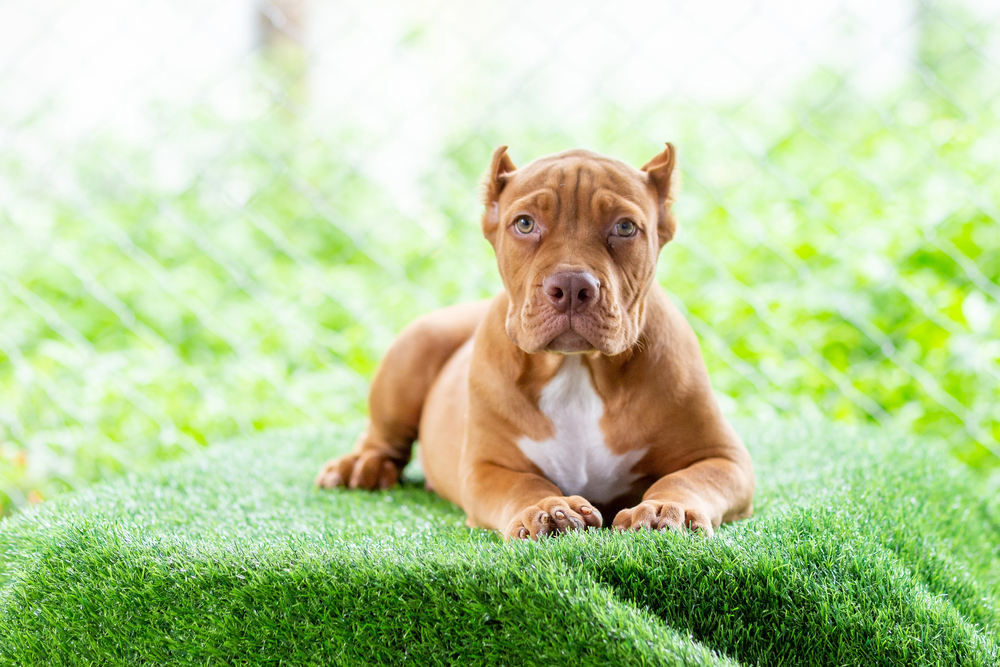
If you share your home with a dog, you’ll know the lawn is usually the first casualty. Yellow wee patches, holes where something was buried, and a muddy track worn along the fence line. Then come the paw prints across the kitchen floor every time it rains, which in the UK is most of the year.
It’s no surprise that more dog owners are swapping real turf for artificial grass for dogs. But before you rip up the lawn, two questions usually come up: is it actually safe for your pet, and how much work is it to keep clean once your dog starts using it as a toilet?
Here’s an honest look at what living with fake grass and dogs is really like, what to look for when you buy, and how to keep it fresh.
Is Artificial Grass Safe for Dogs?
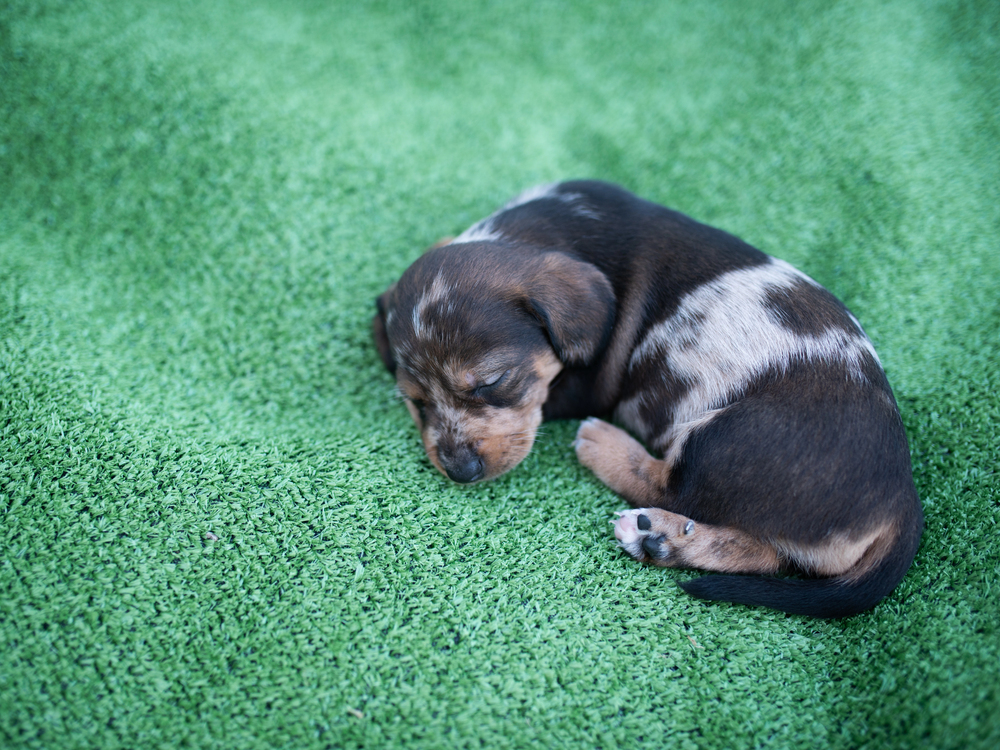
Short answer: yes, good-quality artificial grass is safe for dogs, as long as you choose the right product and look after it. Most of the worry comes from cheaper imports, so it’s worth knowing what separates a pet-safe artificial grass from one you’d rather keep your dog off.
What makes a grass pet friendly
- Non-toxic materials. Look for grass that is lead-free and free from heavy metals. Many reputable brands test their products to toy-safety standards, which is a good sign that it’s fine for paws and noses.
- Latex-free or PU backing. Traditional latex backing can hold on to moisture and smells. PU backed artificial grass (polyurethane) is more durable, copes better with urine, and suits dogs with sensitive skin. If your dog has allergies, latex free artificial grass is the safer choice.
- Securely fixed edges. If your dog likes to chew or dig, they’ll soon find any loose edge or join. So getting the grass fitted properly is just as important as picking a good one.
What about heat?
This is the one genuine downside. On a hot, sunny day, synthetic grass can get noticeably warmer than a natural lawn. Is artificial grass too hot for dogs? Not usually in a British summer, but on the hottest afternoons it can be uncomfortable for paws.
A few easy fixes help a lot:
- Give your dog a shaded spot, whether that’s a tree, a parasol or a covered corner of the garden
- Hose the grass down on very hot days to cool the surface
- Check the surface with the back of your hand before your dog goes out
- Choose a lighter colour or a grass with heat-reducing fibres if your garden is a sun trap
Is artificial grass bad for dogs in any other way?
The problems people mention, such as smells, bacteria and stains, almost always come down to poor drainage or no cleaning routine rather than the grass itself. Get those two things right and dog friendly artificial grass is a hygienic, mud-free place for them to play.
Pros and Cons of Artificial Grass With Dogs
We’ve covered the pros and cons of artificial grass in general before, but dogs change the picture a little. Here’s how it weighs up for pet owners.
| Pros | Cons |
|---|---|
| No more yellow wee patches or bald spots | Can get warm in direct summer sun |
| No mud, so cleaner paws and floors indoors | Needs regular rinsing to stop odours building up |
| Hard for dogs to dig through | Poor-quality grass can flatten in high-traffic areas |
| Stays green all year round | Higher upfront cost than reseeding a lawn |
| No mowing, feeding or weeding | Some dogs take a few days to get used to it |
For most dog owners, the good points easily outweigh the bad. The cons are all manageable, while the pros solve problems that a real lawn and a lively dog simply can’t.
Can Dogs Pee on Artificial Grass?
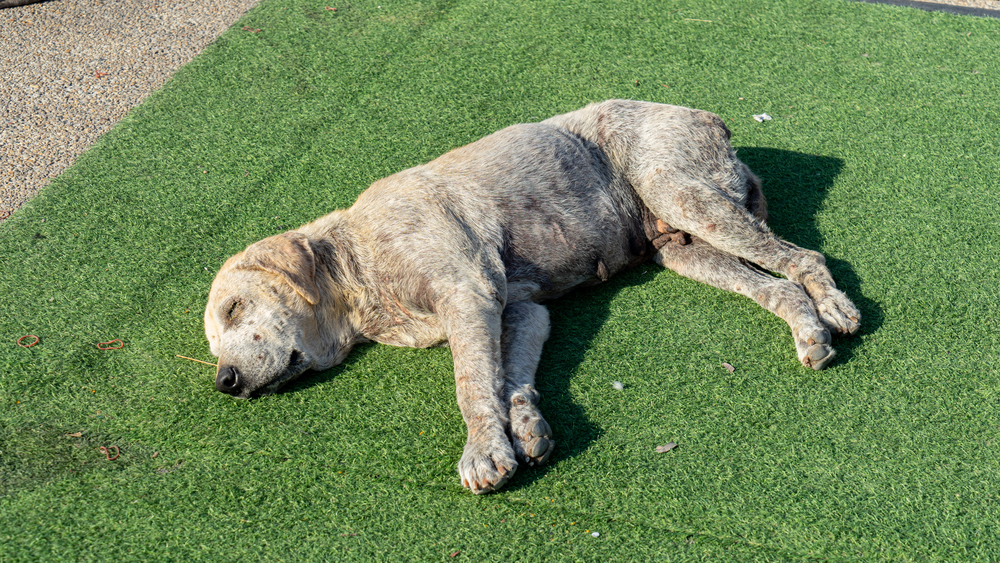
Yes, and unlike a real lawn, it won’t leave yellow patches. The liquid drains straight through the backing and into the ground below. Where it goes from there is what decides whether your garden smells fresh or, well, doesn’t.
Drainage is everything
Artificial grass and dog urine get along fine when the water has somewhere to go. A few things make the difference:
- The backing. Standard backings have drainage holes punched every few centimetres. Fully permeable backings let liquid pass through the whole surface, which is ideal for a garden used as a toilet.
- The sub-base. This is the layer under the grass, and it matters more than most people realise. Avoid packing it with fine granite dust in dog areas, as it can trap urine. A free-draining aggregate works far better. Our guide on how to lay artificial grass explains the sub-base in more detail.
- The infill. Plain kiln-dried sand is fine for general use, but if your dog wees in the same spot every day, an antibacterial or odour-absorbing infill will help keep things fresh.
If you have more than one dog, or a small garden where they always go in the same corner, it’s worth thinking about a designated grass patch for dogs. That way, most of the cleaning is focused on one small area.
Is Artificial Grass Easy to Clean With Dogs?
Yes. Once you’ve got a routine, it takes less time than mowing ever did. Here’s how to care for artificial grass with dogs, broken down by how often each job needs doing.
Daily: pick up the poo
Dog poop on artificial grass is easy to deal with. Let it firm up, pick it up with a bag as you normally would, then give the spot a quick rinse with the hose. For anything softer, remove what you can and wash the area with a little warm soapy water.
Weekly: rinse the wee spots
A good hose-down once a week, or more often in summer, flushes urine through the backing before it has a chance to build up. Focus on your dog’s favourite spots.
Monthly: use a proper cleaner
This is where a dedicated artificial grass cleaner for dogs comes in. The best ones are enzyme cleaners, which break down the proteins in urine rather than just masking the smell.
When choosing the best artificial grass cleaner for dog urine:
- Pick a product that’s labelled pet safe and biodegradable
- Go for an enzyme-based formula over a perfumed spray
- Steer clear of bleach and harsh household chemicals, which can damage the fibres and irritate paws
- Let it dry fully before your dog goes back out
A simple homemade option is a mix of white vinegar and water, which works well as a mild deodoriser between deep cleans.
Every few months: brush it up
Use a stiff (not wire) brush against the direction of the pile to lift flattened fibres and loosen any debris. A leaf blower or plastic rake will clear leaves and hair. Top up the infill if it looks thin in busy areas.
You’ll also notice your dog brings a lot less mud into the house. If muddy paws have already left their mark indoors, our guide to removing carpet stains can help.
What Is the Best Artificial Grass for Dogs?
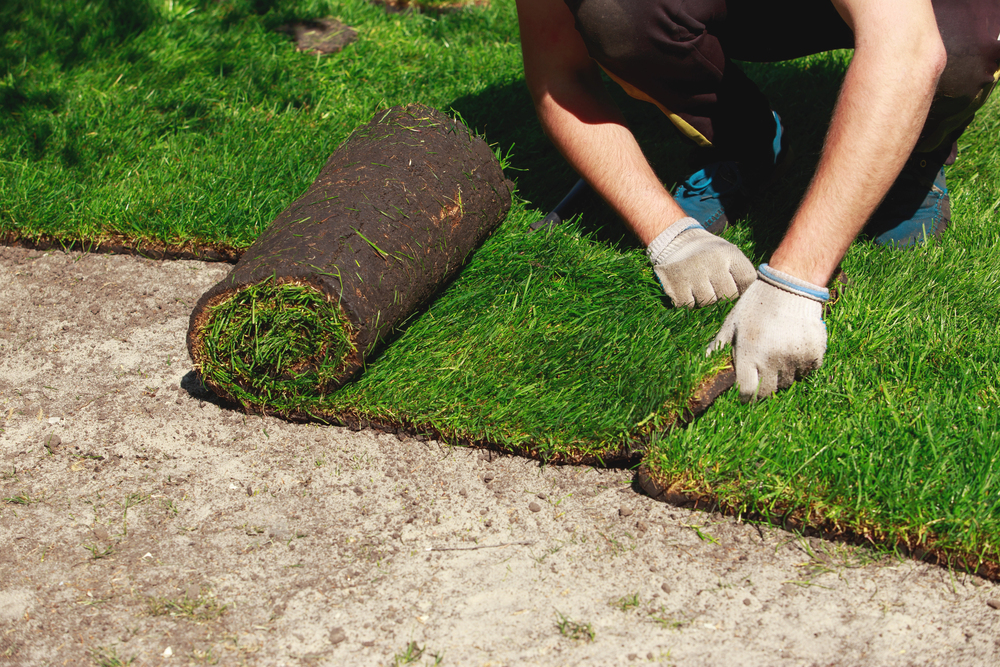
There’s no single best fake grass for dogs, but the right one will tick most of these boxes:
| Feature | What to look for | Why it matters |
|---|---|---|
| Pile height | Around 25–35mm | Short enough to clean easily, long enough to look natural |
| Backing | PU or fully permeable | Better drainage and fewer smells |
| Fibres | Durable polyethylene with good recovery | Springs back after running and rolling |
| Density | High stitch rate | Hard-wearing and harder to dig into |
| Safety | Lead-free, latex-free, non-toxic | Gentle on paws, noses and sensitive skin |
| Warranty | 8–10 years or more | A sign the manufacturer stands behind it |
Very long, plush piles look lovely in a show garden, but they’re harder to keep clean when a dog uses the lawn every day. A shorter, denser grass is usually the more practical choice.
It’s also worth thinking about the rest of the house. If your dog is the reason you’re changing the garden, our guide to pet friendly flooring covers the best scratch- and spill-resistant options for indoors too.
FAQs About Artificial Grass for Dogs
Is fake grass good for dogs?
For most dogs, yes. It gives them a clean, mud-free space that stays usable all year, and it’s far tougher than a natural lawn against digging and heavy wear.
Does artificial grass smell with dogs?
It can if urine isn’t rinsed away regularly or the sub-base doesn’t drain well. A weekly hose-down and a monthly enzyme clean will keep odours at bay.
Can you have artificial grass with puppies?
Yes. Many owners find it helps with toilet training, as puppies quickly learn where they’re meant to go. Just stay on top of rinsing while they’re still learning.
Will my dog dig up artificial grass?
A properly installed lawn with secured edges and a dense pile is very hard to dig through. Most dogs give up quickly once they realise there’s nothing to find.
How long does artificial grass last with dogs?
A quality synthetic grass for dogs should last 10 years or more with regular care. Busy spots may wear faster, which is why a durable, high-density product is worth the extra cost.
The Summary
So, is artificial grass pet-safe and easy to clean? If you choose a non-toxic grass with a well-draining backing, lay it on the right sub-base and keep up a simple rinse-and-clean routine, the answer is yes on both counts.
Your dog gets a garden they can run, roll and play on all year round. You get a lawn that stays green, a lot less mud in the house and your weekends back. Not a bad deal for either of you.