
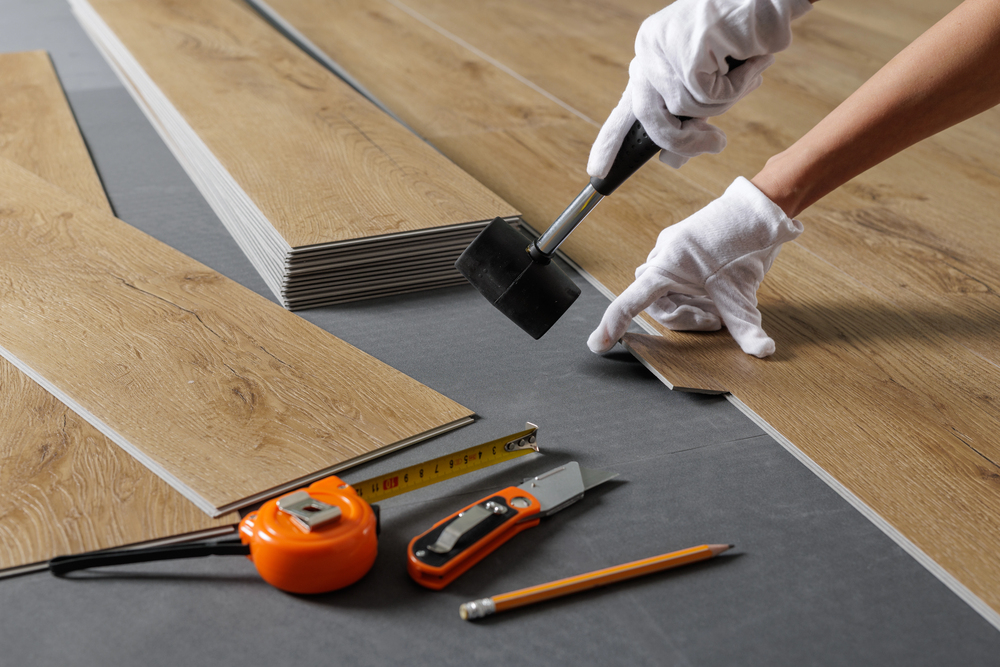
If you have been shopping for new flooring lately, you have probably seen the letters SPC popping up everywhere. It sits right next to LVT and laminate on most product pages, and it is not always clear what makes it different.
So, what is SPC flooring? In short, SPC flooring is a type of rigid vinyl flooring with a stone-based core. It is 100% waterproof, very hard-wearing and clicks together without glue. That makes it a popular choice for kitchens, bathrooms, hallways and busy family homes across the UK.
But it is not perfect for every room. Below, we explain what SPC flooring means, how it is made, its main pros and cons, and how it compares to LVT, so you can decide if it is the right floor for you.
Contents:
- What Is SPC Flooring?
- The Pros of SPC Flooring
- The Cons of SPC Flooring
- SPC vs LVT: What Is the Difference?
- Where Should You Use SPC Flooring?
- SPC Flooring Price in the UK
- Frequently Asked Questions
- Final Thoughts on SPC Flooring
What Is SPC Flooring?
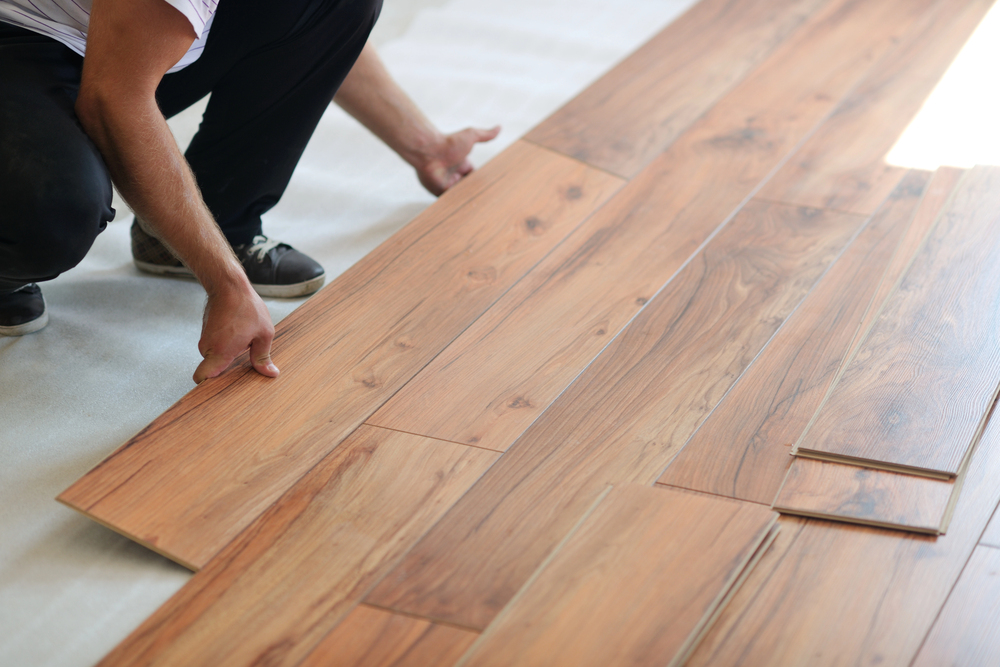
SPC stands for stone plastic composite (you will sometimes see it called stone polymer composite). It is a type of luxury vinyl flooring, but instead of a soft, bendy core, it has a solid core made mostly from crushed limestone mixed with PVC and stabilisers. This is why SPC is often sold as rigid vinyl flooring or rigid core flooring.
The stone-based core is what makes SPC so tough. It is dense, stable and does not soak up water, so the boards will not swell, warp or go soft if they get wet.
What does SPC flooring mean for you?
In plain terms, the SPC flooring meaning comes down to three things: it is waterproof, it is very strong and it is easy to fit. You get the look of real wood or stone, with a floor that can cope with spills, muddy paws and wet feet.
How is SPC flooring made?
Each SPC board is made up of several layers pressed together. From top to bottom, a typical board has:
- UV coating: a thin protective top coat that helps resist stains and stops colours fading in sunlight.
- Wear layer: a clear layer that protects the floor from scratches and scuffs. A thicker wear layer means a longer-lasting floor.
- Décor layer: a high-quality printed film that gives the board its wood or stone look.
- SPC core: the rigid, stone-based heart of the board that gives it strength and makes it waterproof.
- Underlay layer: many SPC boards come with a foam or cork backing already attached, which adds comfort and helps reduce noise.
This layered build is often described as SPC flooring technology. It lets the boards stay thin, usually around 4mm to 8mm, while still feeling solid underfoot. Most SPC is sold as SPC click flooring, so the boards lock together edge to edge and float over the subfloor without glue.
Is SPC the same as laminate?
No. You may see the phrase SPC laminate flooring, but the two are different. Laminate has a core made from compressed wood fibre, which can swell if water gets into the joints. SPC has a stone and PVC core that is fully waterproof. If you like the look of laminate but need something tougher in a wet room, SPC is usually the better choice. Our guide to waterproof laminate flooring explains the difference in more detail.
The Pros of SPC Flooring
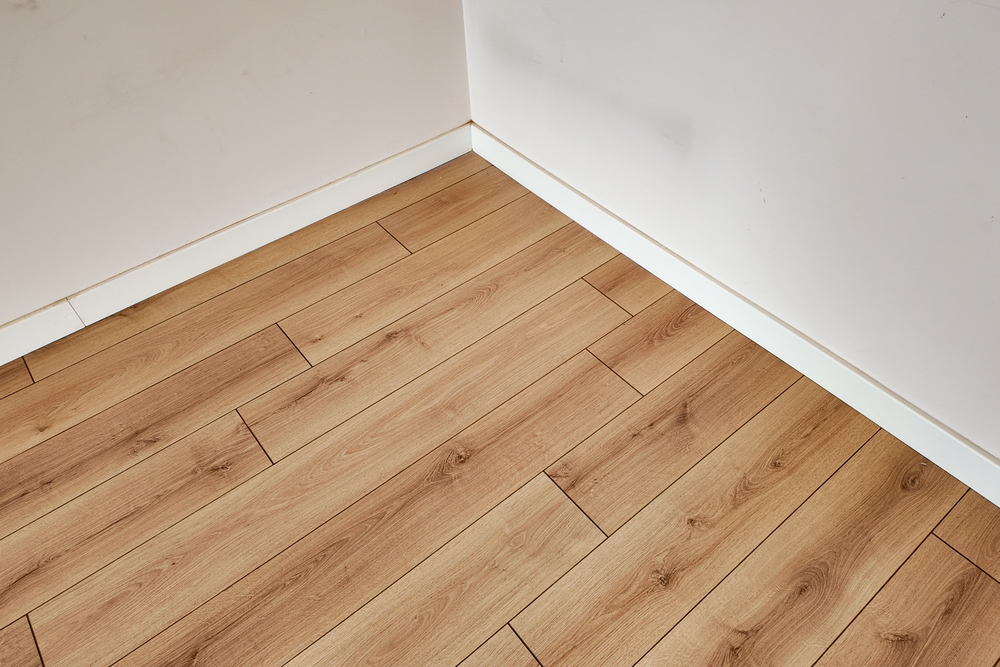
There is a reason SPC flooring in the UK has grown so quickly. Here are the main benefits.
1. It is 100% waterproof
This is the big one. The stone core does not absorb water, so waterproof SPC flooring is ideal for kitchens, bathrooms, utility rooms and hallways where wet shoes come in. Spills can be wiped up without worrying about the boards swelling. Just remember that waterproof means the boards themselves, so you still need to mop up standing water quickly to stop it getting under the floor.
2. It is very hard-wearing
SPC is dense and tough, so it stands up well to heavy furniture, busy family life and pets. It resists dents better than softer vinyl, and a good wear layer helps protect it from scratches. That makes it a great option if you are looking for pet-friendly flooring.
3. It is stable in hot and cold rooms
Because the core is so rigid, SPC barely expands or shrinks when the temperature changes. This makes it a good fit for conservatories, rooms with big south-facing windows and homes with underfloor heating. Always check the maker’s guidance first, and see our guide to the best flooring for underfloor heating.
4. It is easy to fit
Most SPC is click flooring, so there is no glue and no mess. A handy DIYer can lay a room in a day. The rigid boards also hide small dips and bumps in the subfloor better than thinner vinyl.
5. It looks like the real thing
Modern SPC wood flooring looks very close to real oak, walnut or ash, with textured surfaces you can feel. You can also find stone and tile effects, and SPC herringbone flooring if you want a classic pattern without the cost of real wood parquet.
6. It is easy to look after
A quick sweep or vacuum and a damp mop is all it needs. There is no sanding, oiling or sealing. Our tips on how to clean and maintain vinyl flooring work just as well for SPC.
The Cons of SPC Flooring
SPC is a great all-rounder, but it does have a few downsides you should know about before you buy.
1. It feels harder underfoot
The same rigid core that makes SPC so strong also makes it feel firmer and a little cooler than softer LVT or carpet. An attached underlay helps, but if you want something soft and warm in a bedroom, it may not be your first choice.
2. It can be noisier
Rigid floors can sound a bit hollow or clicky when you walk on them, especially in shoes. A good acoustic underlay makes a big difference, and it is worth checking if you live in a flat with neighbours below.
3. You cannot sand or refinish it
Unlike real wood, you cannot sand SPC to remove deep scratches. If a board gets badly damaged, you will need to replace it. Keeping a few spare boards after fitting is a smart idea.
4. It is heavier
SPC boards are heavier than standard vinyl, so they are harder to carry and can be tiring to fit across a large area.
5. It is not a natural material
SPC is made with PVC, so it is not as eco-friendly as natural options such as real wood, cork or reclaimed wood flooring. If sustainability is high on your list, look for brands that use recycled content and low-VOC finishes.
So, is SPC flooring good?
For most homes, yes. If you need a floor that is waterproof, tough and easy to look after, SPC is one of the best value choices out there. The main trade-off is comfort, as it feels firmer and can be louder than softer flooring.
SPC vs LVT: What Is the Difference?
This is where most people get confused, and it is easy to see why. SPC is actually a type of LVT (luxury vinyl tile). When people compare SPC vs LVT flooring, they usually mean rigid SPC boards against traditional, flexible LVT. If you are new to vinyl, our ultimate guide to luxury vinyl flooring covers the basics.
The main difference is the core. Traditional LVT has a flexible PVC core, so the planks bend. SPC has a rigid stone-based core, so the boards stay stiff. That one change affects how each floor feels, how it is fitted and where it works best.
| SPC flooring | Traditional LVT | |
|---|---|---|
| Core | Rigid stone and PVC | Flexible PVC |
| Waterproof | Yes, fully | Yes, the planks are waterproof (glue-down floors also resist water at the joints) |
| Feel underfoot | Firm and solid | Softer and warmer |
| Noise | Can be louder without underlay | Quieter |
| Dent resistance | Very good | Good, but softer so can dent under heavy furniture |
| Subfloor prep | Hides small dips and bumps | Needs a very smooth, flat subfloor |
| Fitting | Click, floats over subfloor | Usually glue-down, some click options |
| Temperature changes | Very stable | Can move more in hot sunny rooms |
| Thickness | Usually 4mm to 8mm | Usually 2mm to 5mm |
| Best for | Kitchens, hallways, conservatories, busy homes | Bathrooms, bedrooms, design-led layouts |
When to choose SPC
Go for SPC if you want an easy DIY install, your subfloor is not perfectly flat, or the room gets very warm from the sun. It is also a strong pick for busy family spaces that take a lot of knocks.
When to choose LVT
Go for traditional LVT if comfort and quietness matter most, or if you want detailed patterns, borders and custom layouts that a professional fitter can glue down. LVT also works well in smaller bathrooms, where a glued floor seals the room nicely.
One thing to check with LVT is your subfloor. Because it is thin and flexible, every bump can show through. Our guide on whether you can lay LVT over different subfloors explains what you need to know.
What about SPC and LVT vinyl flooring sold together?
Many UK retailers sell SPC and LVT vinyl flooring side by side, often grouped as waterproof SPC & LVT flooring. Both are great choices. The key is to look at the product details for the words rigid core or SPC core, plus the wear layer thickness, so you know exactly what you are getting.
Where Should You Use SPC Flooring?
Thanks to its waterproof core and tough build, an SPC floor works in almost any room. It is especially good in:
- Kitchens: it copes with spills, dropped pans and lots of foot traffic. See more ideas in our guide to kitchen flooring options.
- Hallways: muddy boots, wet umbrellas and pushchairs are no problem. Read our guide to the best flooring for hallways.
- Bathrooms and utility rooms: waterproof boards are a safe bet, as long as the edges are sealed around the bath and shower. Our small bathroom flooring ideas may help.
- Living rooms and open-plan spaces: one floor can run from the kitchen into the lounge for a seamless look. Get inspired by our living room flooring ideas.
- Conservatories: SPC handles temperature swings far better than most floors.
In bedrooms, SPC works fine, but you may prefer something softer. Our guide to which flooring is best for each room can help you choose.
SPC herringbone flooring
Herringbone is one of the most popular SPC styles right now. You get the timeless zigzag pattern with all the waterproof benefits of SPC, and the click system makes it much easier to lay than real wood parquet. It is a great way to add character to a hallway or kitchen. Find out more in our ultimate guide to herringbone flooring, or see what else is in fashion in our flooring trends for 2026.
SPC Flooring Price in the UK
SPC flooring price depends on the thickness, the wear layer, the brand and whether an underlay is attached. As a rough guide:
| Quality | Typical price per m² (materials only) | What you get |
|---|---|---|
| Budget | £15 – £25 | Thinner boards, thinner wear layer, may need separate underlay |
| Mid-range | £25 – £40 | 5mm to 6.5mm boards, attached underlay, good wear layer |
| Premium | £40 – £60+ | Thicker boards such as 8mm SPC flooring, thick wear layer, herringbone and textured finishes |
If you want it professionally fitted, budget roughly £10 to £25 per m² extra for labour. Herringbone takes longer to lay, so it usually costs more to fit.
When comparing the best SPC flooring brands in the UK, do not just look at price. Check the wear layer (0.3mm for light use, 0.5mm or more for busy homes), the warranty and whether an underlay is included. A good floor can also help your home’s resale value.
SPC Flooring: Frequently Asked Questions
What is SPC flooring made of?
SPC flooring is made from a rigid core of crushed limestone, PVC and stabilisers. On top sits a printed décor layer, a clear wear layer and a UV coating. Many boards also have an underlay attached to the back.
Is SPC flooring better than LVT?
Neither is better for every home. SPC is tougher, more stable and easier to fit over imperfect subfloors. LVT is softer, quieter and better for detailed glued layouts. Choose based on the room and how you use it.
Is SPC flooring really waterproof?
Yes. The SPC core does not absorb water, so the boards will not swell or warp. However, water can still seep through the joints if it is left standing, so wipe up spills and seal the edges in bathrooms.
Can you put SPC flooring in a bathroom?
Yes, waterproof SPC flooring is a great choice for bathrooms. Leave the right expansion gap and use a flexible, waterproof sealant around the bath, shower and toilet.
Can you use a steam mop on SPC flooring?
It is best not to. High heat and steam can weaken the click joints over time. A damp mop with a mild cleaner is safer. Find out why in our guide to using a steam mop on laminate floors, as the same advice applies.
How long does SPC flooring last?
A good-quality SPC floor can last 15 to 25 years with the right care. The thickness of the wear layer has the biggest effect on how long it looks its best.
Do you need underlay for SPC flooring?
If your boards have an underlay attached, you usually do not need another one. Adding a second underlay can make the click joints weak. If your boards have no backing, use a thin underlay recommended by the maker.
Final Thoughts on SPC Flooring!
So, what is SPC flooring? It is a rigid vinyl floor with a stone-based core that is waterproof, tough and simple to fit. It is a brilliant choice for kitchens, hallways, bathrooms and busy family homes. The main trade-offs are that it feels firmer and can be a little noisier than traditional LVT.
If you want comfort and design freedom, LVT may suit you better. If you want strength, stability and an easy DIY install, SPC is hard to beat. Still weighing up your options? Our guide to choosing the perfect flooring for your home and the most regretted flooring choices are a great place to start.