
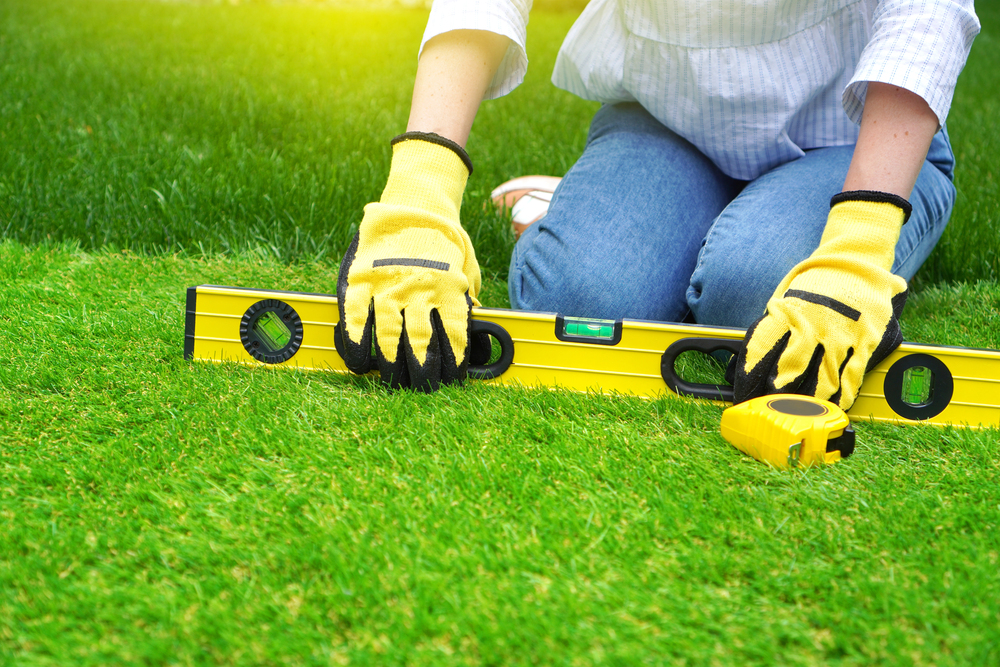
Artificial grass has become one of the most popular garden upgrades in the UK: no mowing, no muddy patches, and a lawn that looks good all year round. Getting a professional-looking finish comes down to how well you prepare and lay it. This guide walks through how to lay artificial grass step by step, whatever surface you’re starting from. If you’re still weighing up whether artificial turf is right for your garden at all, our Pros & Cons of Artificial Grass guide is a good place to start.
- What Is Artificial Grass?
- Tools and Materials
- Getting the Base Right: Sub-Base Explained
- How to Lay Artificial Grass on Soil
- How to Lay Artificial Grass on Concrete
- How to Lay Artificial Grass on Decking
- Laying Artificial Grass on Uneven Ground
- Do You Need Sand Infill?
- Edging: Getting a Neat, Secure Finish
- Weed Prevention
- How Much Does It Cost to Lay Artificial Grass?
- Tips for a Smooth Installation
- Finishing Off the Rest of the House
What Is Artificial Grass?
Whether you call it artificial turf, synthetic grass, imitation lawn, fake grass or astroturf, they’re all describing the same thing: a manufactured surface made from synthetic fibres, designed to look and feel like a natural lawn without any of the growing.
Most modern products are built up in layers. A backing material holds the individual grass fibres in place, with drainage holes punched through so water passes straight through rather than pooling on top. The fibres themselves are usually polyethylene or polypropylene, often blended with a thatch layer in a mix of greens and browns to mimic the slightly uneven colour of a real lawn. That backing then sits on the sub-base you’ll build as part of the installation, which is what actually does the job of supporting the turf and draining water away.
Quality varies a lot between products, and it’s generally reflected in pile height, density, and the weight of the backing, so it’s worth checking these specs rather than going on looks alone when you’re choosing turf.
Tools and Materials You’ll Need to Lay Artificial Grass
Top Tip! Gather everything before you start so you’re not stopping halfway through. Here are the tools needed to lay artificial grass:
- Artificial grass roll (with 5–10% extra for trimming and pattern matching)
- Weed membrane
- Sub-base material (MOT Type 1 or granite dust)
- Sharp sand or a specialist artificial grass sand infill
- Jointing tape and adhesive
- Turf pegs or galvanised nails
- Stanley knife or turf-cutting knife
- Stiff broom or power brush
- Plate compactor or garden roller
- Wheelbarrow, rake, tape measure and spirit level
Getting the Base Right: Sub-Base Explained
The sub-base is the biggest factor in how long your lawn lasts and how good it looks, stopping the turf from sinking, pooling water, or moving underfoot.
The best sub-base for artificial grass is compacted MOT Type 1 (crushed stone and dust), laid 50–75mm deep and compacted in two passes with a plate compactor. Some installers add a top layer of granite or grit sand dust over the MOT Type 1 for a smoother finish that’s kinder on the turf’s underside. Whichever material you use, build in a slight fall (around 1 in 80) directing water away from the house, since artificial grass relies on drainage through the sub-base rather than the soil beneath it.
How to Lay Artificial Grass on Soil
Yes, you can lay artificial grass on soil, and it’s the most common starting point for UK gardens. The key is excavating enough for a proper sub-base rather than laying turf onto bare earth.
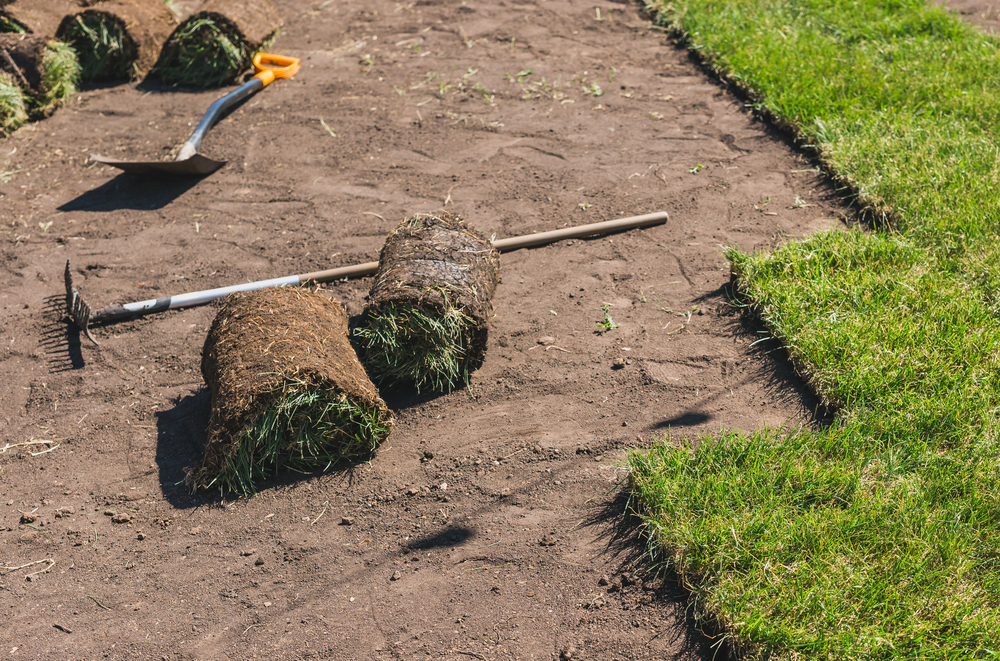
- Clear the area to a depth of around 75–100mm, removing existing turf and roots.
- Treat for weeds with a weed killer, or use a root barrier membrane, before laying anything down.
- Add and compact the sub-base: 50–75mm of MOT Type 1, lightly watered and compacted until firm and level.
- Lay the weed membrane, overlapping joins by at least 100mm.
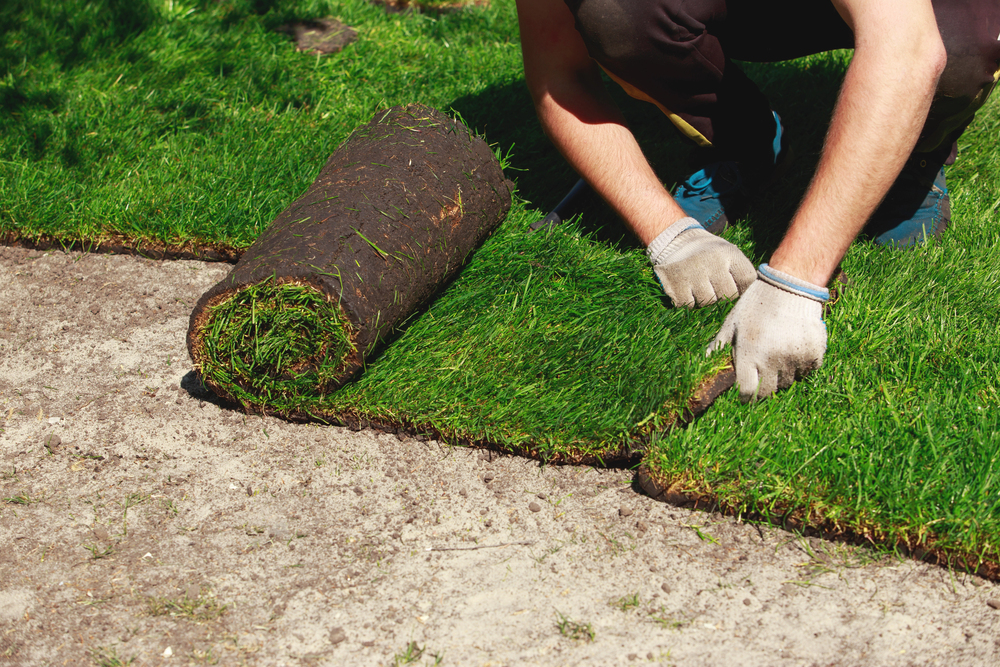
- Roll out the grass and leave it an hour or two to settle before trimming to fit.
- Secure the edges with turf pegs every 150–200mm.
- Brush and infill the pile as needed (see below).
How to Lay Artificial Grass on Concrete
You can lay artificial grass on concrete, and it’s often easier than soil since there’s no ground stability to worry about. So how do you lay artificial lawn on top of an existing slab or patio? The main things to get right are drainage and cushioning.
Do you need underlay for artificial grass on concrete? In most cases, yes. A shock-pad underlay isn’t essential, but it makes a real difference underfoot, helping to smooth out any unevenness in the slabs. Especially useful in gardens with kids or heavy footfall
- Clean the slab and fill any cracks, checking for a slight fall for drainage (or drill periodic drainage holes if it’s flat).
- Lay a shock-pad underlay, taping the joins.
- Roll out and trim the grass once it’s settled.
- Join seams with jointing tape and adhesive rather than pegs.
- Fix the edges with adhesive or a bonded edging trim, since you can’t peg into concrete.
- Brush and infill as normal.
For a tidy finish, an artificial grass edging strip for concrete, bonded down, generally gives the neatest perimeter.
How to Lay Artificial Grass on Decking
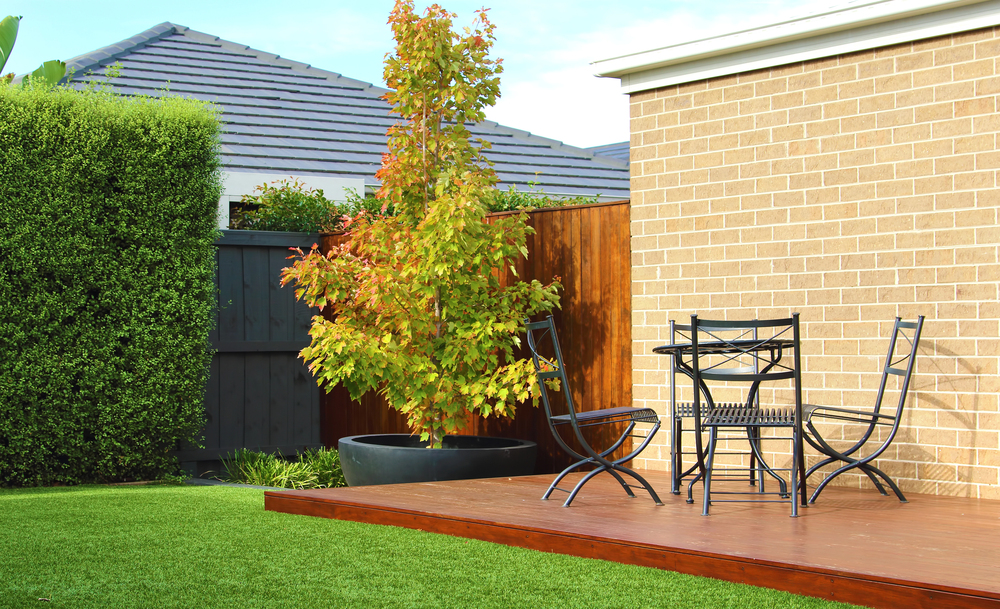
Laying artificial grass on decking is possible, but timber flexes and can trap moisture if you’re not careful.
- Check the decking is sound, with no rot, soft spots or loose boards.
- Lay a thin foam or shock-pad underlay to smooth out the ridges between boards.
- Roll out and trim the grass once it’s settled.
- Secure with staples or a suitable adhesive along the edges rather than pegs.
- Avoid fully sealing the edges so air can still circulate beneath the boards.
If the decking already shows signs of rot, address that first: artificial grass will hide the problem, not fix it, and trapped moisture can make it worse.
Laying Artificial Grass on Uneven Ground
For how to lay artificial grass on uneven ground, the fix happens at the sub-base stage, not with the turf. Excavate low spots properly rather than topping them up, check across the area with a spirit level as you compact, and add sub-base material in thin layers rather than one thick one. Rushing this step is the most common reason DIY jobs end up with visible dips once the grass beds in.
Do You Need Sand Infill?
Fake grass sand isn’t always essential, but it weighs the backing down, helps the blades stand upright, and adds some cushioning underfoot. Silica sand is the standard choice. If you have pets, a zeolite-based infill is worth considering, as it helps absorb odours rather than letting them sit in the pile.
Some products use sharp sand or granite dust in the sub-base rather than as a topping, so check your turf’s own instructions before buying infill, as some higher-density products are designed to be laid without any. As a rule of thumb, aim for a light, even covering of sand on artificial turf rather than a thick layer: too much can make the pile look flattened rather than upright.
Edging: Getting a Neat, Secure Finish
Good synthetic lawn edging, sometimes sold as artificial turf edging, stops the perimeter fraying, lifting, or gapping. Whatever product you choose for edging your artificial grass, the right fixing method depends on what you’re edging against:
- Against a lawn or border: timber gravel boards or a flexible plastic edging strip, pegged into the ground.
- Against a patio or path: a rigid aluminium or steel strip, bonded down for a solid fixing point.
- On concrete: an artificial grass edging strip for concrete, bonded with adhesive.
Fit the edging before your final trim so you can cut the grass right up to it for a tight line.
Weed Prevention: Membrane and Pre-Treatment
A good-quality weed membrane beneath the sub-base is your main defence, and laying artificial grass without a weed membrane is one of the most common regrets we hear about. It’s also worth treating the ground with a weed killer before laying artificial grass, particularly over old flower beds, to deal with anything already established. Weeds occasionally appear around the edges later on, usually from windblown seeds rather than growth through the turf, and are easily removed by hand.
How Much Does It Cost to Lay Artificial Grass?
The cost of laying artificial grass in the UK depends largely on whether you do it yourself and how much site preparation is needed.
| Approach | Typical cost per m² | Notes |
|---|---|---|
| DIY (materials only) | £25–£45 | Grass, sub-base, membrane, adhesive/pegs and infill |
| Professional installation | £50–£85 | Includes labour, site clearance and disposal |
| Premium installation | £100+ | Larger or complex gardens, shock-pad underlay, decorative edging |
DIY can bring costs down significantly, but it’s worth being realistic about the time and effort involved, especially excavation and compaction. If you’re weighing up which route suits your garden, our guide to DIY Flooring vs Professional Installation covers the trade-offs in more detail.
Tips for a Smooth Installation
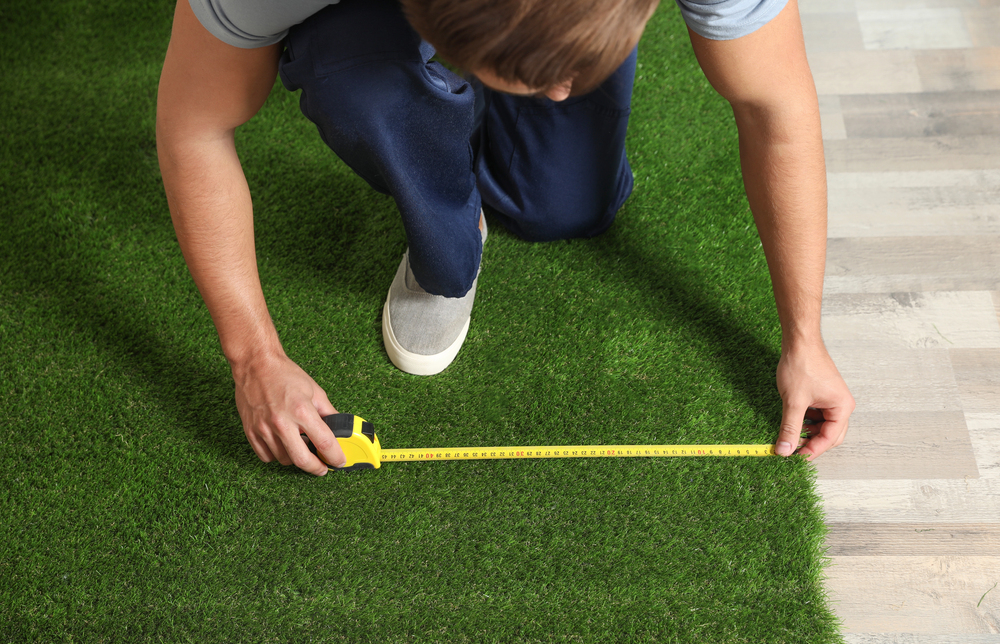
- Order slightly more turf than you think you’ll need.
- Lay rolls in the same direction so the pile catches the light consistently.
- Choose a dry, mild day: compacting a wet sub-base gives an inconsistent finish.
- Let the grass acclimatise, roll out, for a couple of hours before cutting and fixing.
- On a large or complex garden, get a professional quote before committing to DIY.
Finishing Off the Rest of the House
A new lawn is often just one part of a bigger seasonal refresh, so if you’re planning updates indoors at the same time, a few of our other guides might be useful:
- Kitchen flooring options – walks through the same durability-versus-budget trade-offs you’ve just worked through for the garden.
- Which flooring is best for each room – a room-by-room guide covering every space in the house.
- Small bathroom flooring ideas – inspiration if a bathroom refresh is next on your list.
- How to tell it’s a good quality carpet – worth knowing before you buy, particularly for high-traffic areas.
- The best carpet for stairs – covers durability and safety in more depth if your staircase needs recarpeting.
- Carpet to hardwood transition – how to join carpet and a hard floor neatly, without an awkward step or gap.
- Tips for caring for wooden floors – maintenance basics for any wood flooring elsewhere in the home.
- Reclaimed wood flooring – worth a look if you like the same natural, characterful appeal indoors that a good lawn brings to the garden.
- How flooring impacts home resale value – just as a tidy, well-installed lawn adds to kerb appeal, the right indoor flooring can affect resale value too.
- Pet-friendly flooring – if pets have the run of the house and not just the garden, this rounds up the best indoor options room by room.