
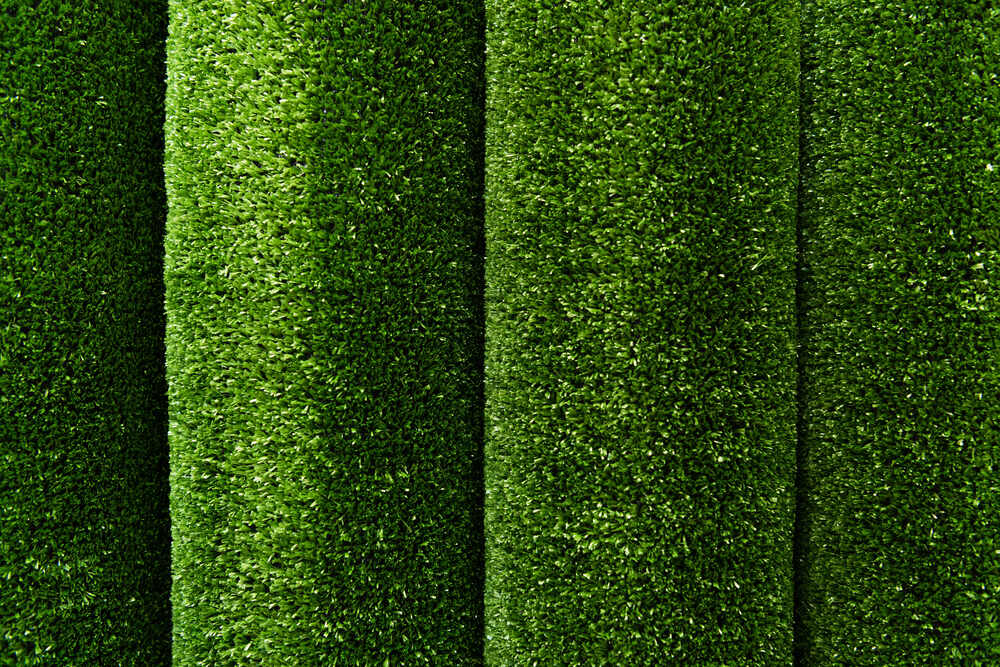
Artificial grass has surged in popularity among homeowners looking for a durable and evergreen alternative to natural turf. This guide from Funky Flooring provides a detailed breakdown of the key advantages and disadvantages of artificial grass, including essential information on installation, costs and common concerns.
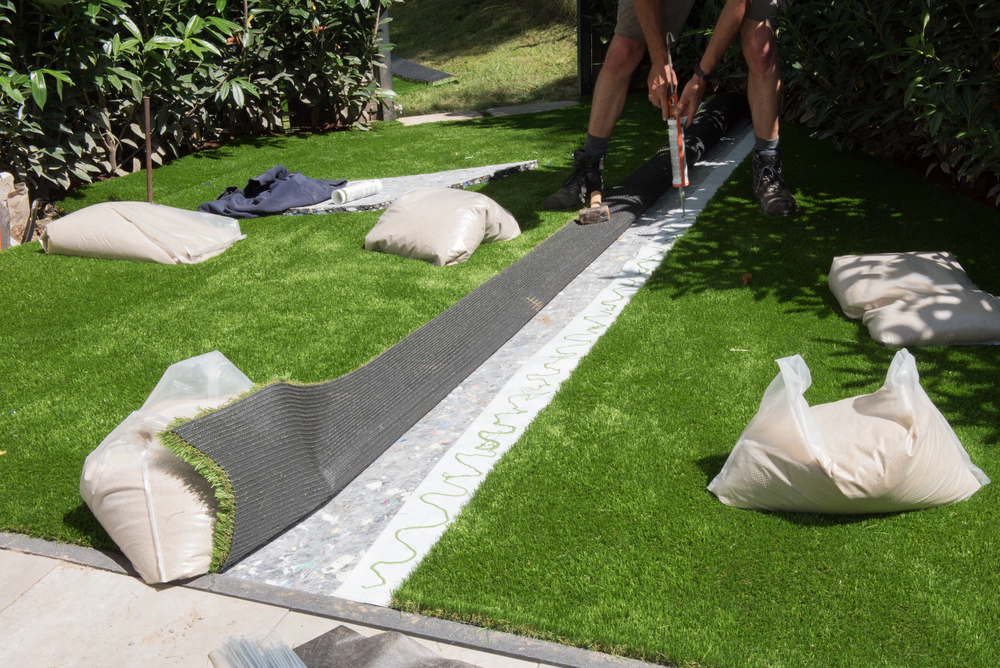
The Pros of Artificial Grass
Pros to artificial grass include being very low-maintenance, durable, evergreen and high performing. They also offer effective drainage and an aesthetic long term investment.
Minimal Maintenance Profile
The most compelling benefit to artificial grass is the significant reduction in upkeep. Artificial turf requires no mowing, watering, fertilising or aeration. Maintenance is typically limited to occasional brushing to keep the fibres upright and rinsing to clear surface debris.
Year-Round Aesthetic Consistency
Unlike natural grass, which can suffer from drought, disease, or seasonal changes, an artificial lawn maintains a consistently lush, green appearance 365 days a year, regardless of weather.
Superior Durability and Pet-Friendliness
Modern artificial lawns are engineered for high traffic and resilience. Products specifically designed for pets utilise durable, non-toxic materials and fast-draining backing. This durability ensures that the lawn can withstand active use by children and pets, eliminating issues like worn patches. Looking for pet friendly indoor flooring? Read our pet-friendly floor guide.
Elimination of Mud and Mess
As the surface is not soil-based, play and activity can continue in all weather without creating mud. This prevents the common problem of pets and children tracking dirt and soil into the home.
Long-Term Investment
Quality artificial turf is a durable product, offering a typical lifespan of 8 to 15 years, depending on the quality of the material, level of usage, and adherence to recommended maintenance.
Effective Drainage
Artificial grass is designed to be permeable. The backing of the turf contains perforations that allow water to drain effectively into the prepared sub-base below. This is critical for preventing standing water.
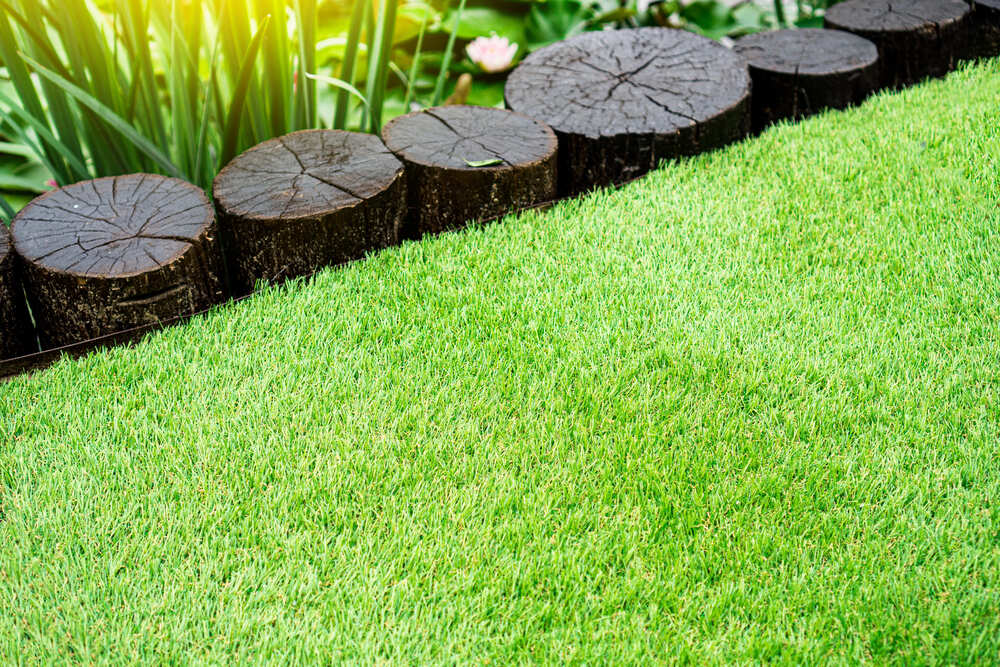
The Cons of Artificial Grass
While the advantages are numerous, a complete assessment requires a thorough understanding of the potential drawbacks, which are often addressed through specific installation techniques and maintenance routines.
What Is the Downside of Artificial Grass?
Heat Retention
Artificial turf fibres can absorb and retain heat, causing the surface to become notably hot in direct, strong sunlight, particularly during summer.
Upfront Cost: The initial outlay for professional installation and materials is considerably higher than for a natural lawn. Typical UK prices for a full professional installation range from £50 to £85 per square metre, with premium installations exceeding £100 per square metre.
FAQS from customers about the downside of artificial grass
We often receive the same specific concerns regarding artificial grass – so we thought we’d include them here as an easy FAQ guide:
- Can rain get through artificial grass?
Yes – artificial grass is fully permeable. Water passes through drainage holes incorporated into the backing material. For this to function correctly and effectively, the turf must be laid on a correctly constructed, free-draining sub-base. - Does artificial grass smell after rain?
Normally no, unless a trapped substance, such as pet urine, has accumulated underneath the turf due to poor drainage or an inadequate sub-base. Proper installation and maintenance prevent this. - I have a dog that uses the garden sometimes. What happens when dogs pee on artificial grass?
Dog urine drains through the turf and into the sub-base, similar to rainwater. However, without regular cleaning or the use of specialist infill, smells can build up on the turf surface and in the underlying materials. Top stop your grass smelling of pet urine, we’d recommend a multi-step approach:- Rinse the area regularly with water.
- Use approved, pet-safe artificial grass cleaners designed to break down organic compounds.
- Choose a dog-friendly infill such as zeolite (which absorbs ammonia).
- Ensure the foundational sub-base drainage is excellent.
- Are slugs or insects attracted to artificial grass?
Not usually – artificial turf offers no organic matter or soil, which are the primary food sources for most garden pests. - Do weeds grow through artificial turf?
Weeds rarely grow through the turf itself if a high-quality weed membrane is installed correctly beneath the sub-base. They may occasionally appear around the edges of the installation or grow on the surface from airborne seeds or debris accumulation.
Is Artificial Grass Eco Friendly?
Artificial grass is generally not considered eco-friendly because it’s made from non-biodegradable plastics. It is difficult to recycle, and often ends up in landfill when replaced. Compared to natural grass, it creates a “dead zone” for insects and soil life – although it also eliminates the need for fertilisers and pesticides, which is a positive.
That said, artificial grass can be more environmentally positive in certain situations. In drought-prone areas, it can significantly reduce water use, and it doesn’t require lawn chemicals that contribute to runoff. High-quality products also have long lifespans, and newer recyclable or bio-based options offer sustainability improvements.
If eco-friendliness is your priority, natural alternatives like clover lawns, wildflower patches, moss, or drought-tolerant grasses are typically better choices. Read more about the debate on artificial grass from the BBC.