
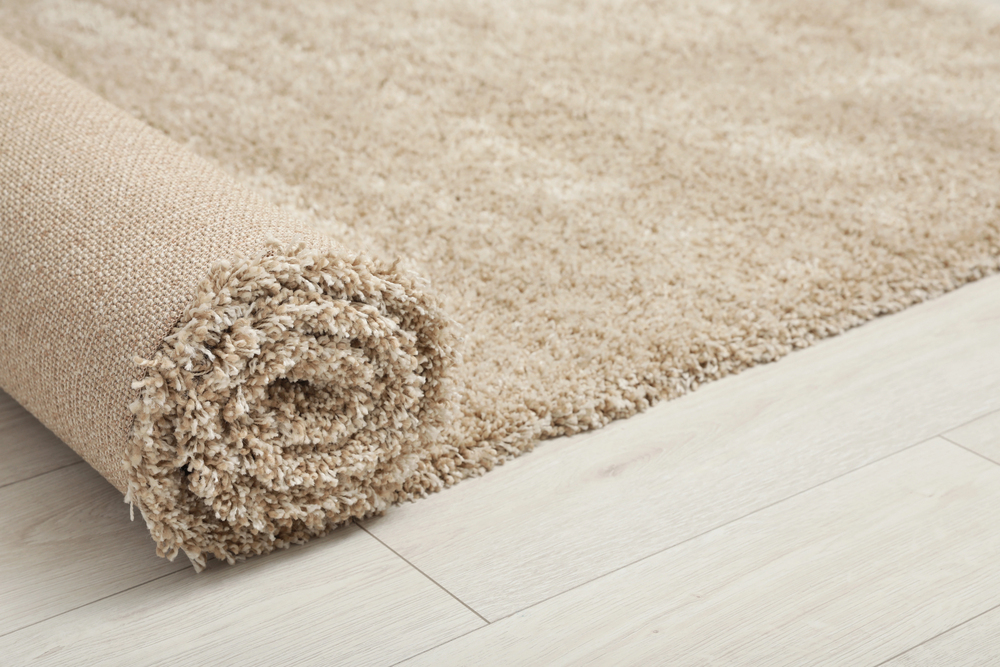
This comprehensive guide from Funky Flooring on how to stop rugs moving combines expert installation techniques with the best DIY hacks to ensure your rugs stay exactly where you put them. Whether you are dealing with carpet creep or slippery hardwood, here is how to lock your rugs into place.
Why Do Rugs Move?
When people ask us how to stop rugs moving, it’s best to explain first why they move. On hard floors, the lack of friction causes rugs to glide. On carpets, a phenomenon called ‘carpet creep‘ is to blame for a wandering rug. As you walk, the pile of the floor carpet moves in a specific direction (the .nap.), essentially acting like a conveyor belt that pushes your rug along with it. Rugs are notorious for moving, folding and sometimes becoming trip hazards! Follow our guide below to ensure your rugs stay put – and don’t pose a hazard in your home.
1: How to Stop Rugs Slipping on Carpet
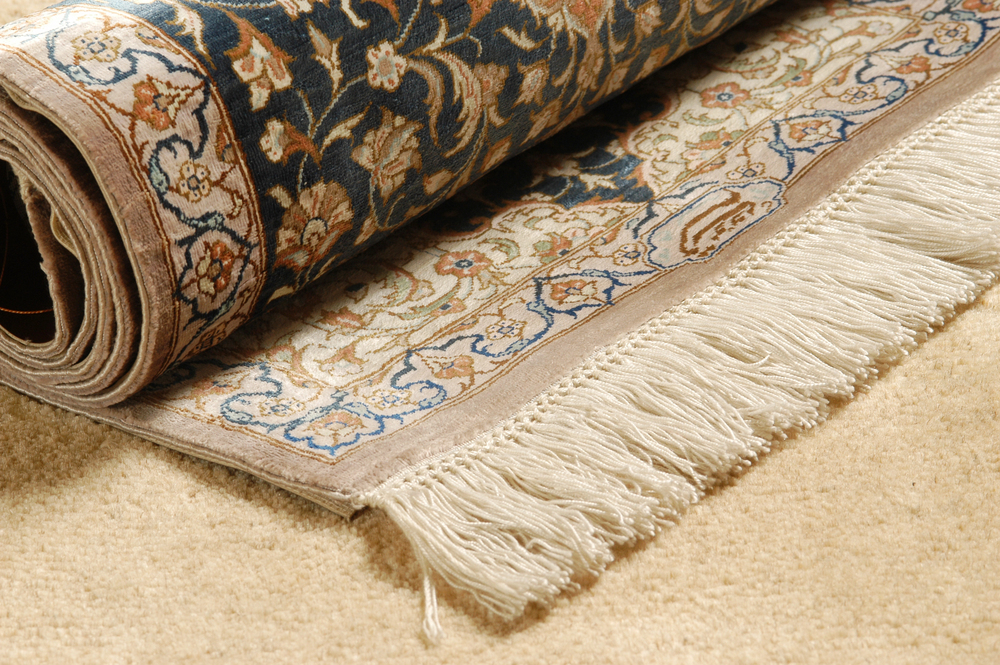
Keeping a rug stationary on top of carpet is a really common DIY challenge. Because you are layering ‘soft on soft,’ standard rubber grippers often fail. You need a solution that bridges the gap between two fabric textures.
How To Stop Rugs Moving – 4 ways
1. Specialised Rug-to-Carpet Gripper Pads
These are the gold standard in stopping your rug sliding on your carpet. Unlike the mesh grid pads used for hardwood, these are usually solid polyester sheets coated in a specialised, dry non-slip latex.
- Why it works: They create a high-friction bond that interlocks the rug backing with the carpet fibres below.
- Top tip: Cut the pad 1-2 inches smaller than the rug so the edges don’t lift, creating a seamless look.
2. Double-Sided Carpet Tape
If your rug keeps moving on your carpet, double sided carpet tape is often a high-strength, low-profile adhesive solution.
- How to apply: Don’t just do the corners. Apply the tape in a ‘window-pane’ perimeter with a large X across the centre for maximum surface contact.
- Important: Ensure the tape is labeled ‘low-residue‘ so you don’t ruin your primary carpet when it’s time to remove the rug.
3. Industrial Velcro Strips
Industrial velcro strips can be perfect for high-traffic areas like kids’ rooms or entryways where the rug is prone to ‘walking.’
- The Method: Stick the hook side to the rug and the loop side to the carpet.
- The Benefit: This provides an incredibly strong lateral hold while still allowing you to peel the rug up for cleaning or vacuuming.
4. The Silicone ‘Tread’ Hack
If your rug has a very smooth or slick backing, you can create your own custom grip.
- The DIY Fix: Apply beads of 100% silicone caulk in a grid or honeycomb pattern on the underside of the rug.
- Crucial Step: Let the silicone cure (dry) for at least 24 hours before placing it on the carpet. Once dry, it acts like the rubber treads on non-slip socks.
2: How to Stop a Runner Moving on Carpet Stairs
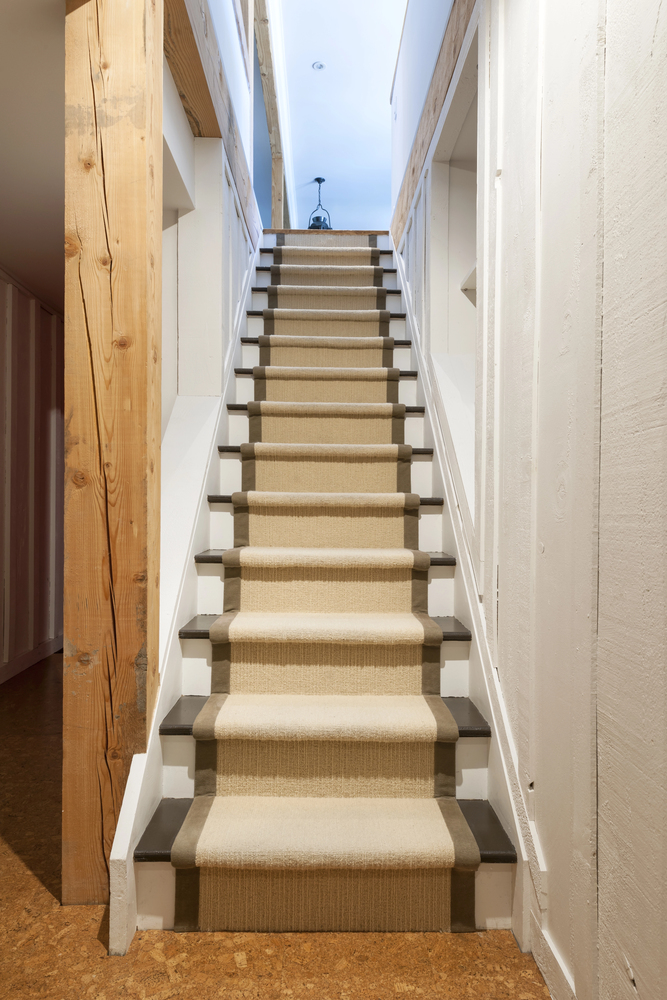
Stairs are high-stakes. A sliding runner on a staircase isn’t just annoying; it’s a major trip hazard. Because gravity is pulling the rug down, you need a mechanical or high-tension anchor.
The best options to stop a runner moving on carpet stairs include:
- Pneumatic Stapling (The Pro Method): If you own your home, this is the most secure fix. Use an upholstery staple gun to fire staples into the part of the stair where the crease where the tread meets the riser. The staples are hidden by the rug’s pile but lock the fabric to the stair frame.
- Stair Rods: These are metal bars that bolt into the corners of each step. While largely decorative, they provide a physical barrier that keeps the runner from shifting forward.
- Anti-Slip Stair Treads: For a non-permanent fix, use individual rubber-backed treads. These have tiny teeth on the bottom designed to bite into the stair carpet to prevent sliding.
Top tip! Need to find out the best carpet for stairs? Read our guide on stair carpeting.
3: How to Stop Rugs Sliding on Hard Floors
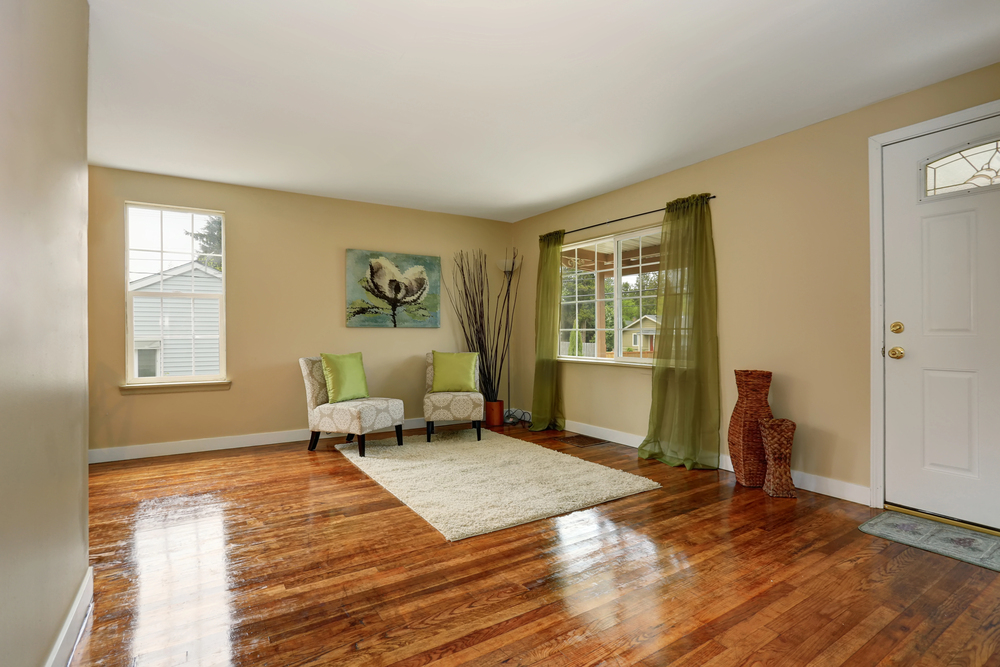
When working with hardwood, tile, or laminate, your priority is preventing slips while protecting the floor’s expensive finish.
The best ways to stop rugs sliding on hard floors include:
- Felt & Rubber Hybrid Pads: These are superior to cheap PVC mesh. The rubber side grips the floor via suction, while the felt top provides a cushion that prevents the rug from stretching.
- Corner Grippers: These small, L-shaped discs are perfect for rugs that stay put but have corners that curl up. They use a renewable suction technology; if they get dusty and lose their grip, you just wipe them with a damp cloth to make them sticky again.
- Natural Rubber Pads: If you have hardwood floors, always check that your pad is 100% natural rubber. Synthetic PVC pads can sometimes react with polyurethane finishes, leaving a permanent dull ‘honeycomb’ stain on your wood.
4: The Furniture Anchor Strategy
Sometimes the best tool isn’t an adhesive: it’s gravity. If you don’t want to add any adhesive to your rugs or carpets, consider using furniture to anchor your rugs and offer some stability.
- The Two-Leg Rule: If a rug is sliding, try to position it so at least two legs of a heavy piece of furniture (a sofa, bed, or heavy coffee table) sit firmly on the edge of the rug.
- Felt Footing: Add felt pads to the bottom of the furniture legs. This protects the rug fibers while the weight of the furniture creates a natural anchor point that locks the rest of the rug in place.
How To Stop Rugs Moving – Quick-Reference Comparison Table
| Method | Best Surface | Safety Level | DIY Difficulty |
| Gripper Pads | Flat Carpet / Hardwood | High | Very Easy |
| Carpet Tape | Flat Carpet | Medium | Easy |
| Stapling | Carpeted Stairs | Maximum | Moderate |
| Velcro Strips | Playrooms / Entryways | High | Easy |
| Silicone Caulk | Small Mats / DIY | Medium | Easy |
How To Stop Rugs Moving: The Final Checklist
- Clean the Base: No adhesive or rubber will stick to a dusty floor. Vacuum and damp-mop the area before applying your solution.
- Check the Backing: Some rugs have a dusty latex backing that sheds. If yours does, tape won’t stick; you’ll need a full-sized felt-and-rubber pad.
- Safety First: On stairs, if you can move the rug even a fraction of an inch with your foot, it isn’t secure enough. Add more staples or a stronger grip pad.