
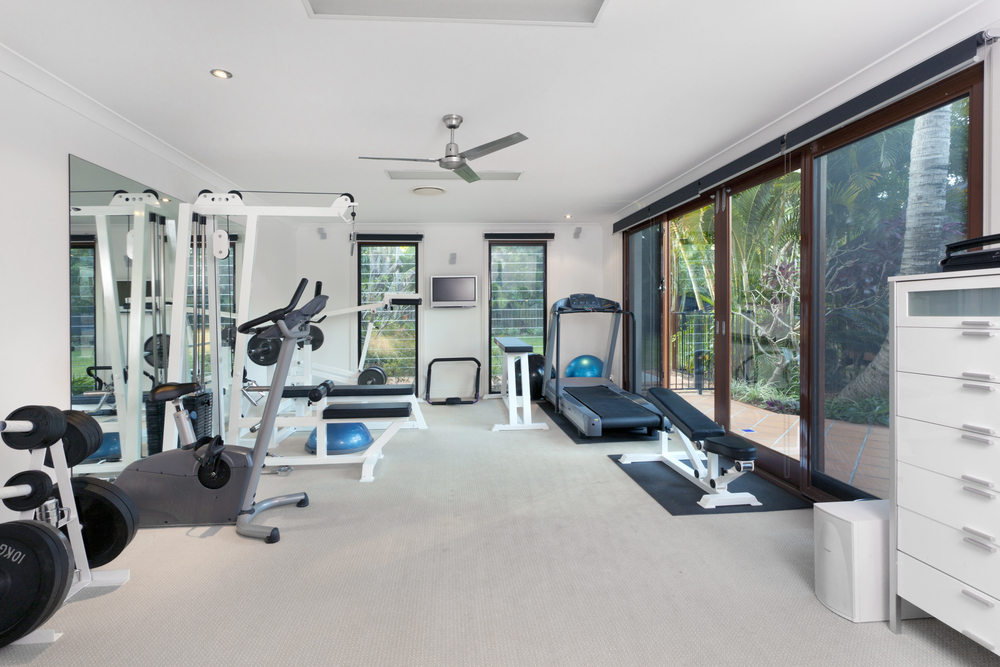
Gym flooring might not be your first thought when creating a home gym. A home gym is an investment in your health, your routine and your home. But while many homeowners focus on equipment – the treadmills, racks, benches and bikes – one of the most important decisions is what goes underneath it all. At Funky Flooring, we’ve worked with countless homeowners and commercial clients, and one thing is clear: getting your gym flooring right from the start makes all the difference.
Whether you’re converting a garage, spare room, or garden studio, the foundation of a successful workout space starts from the ground up.
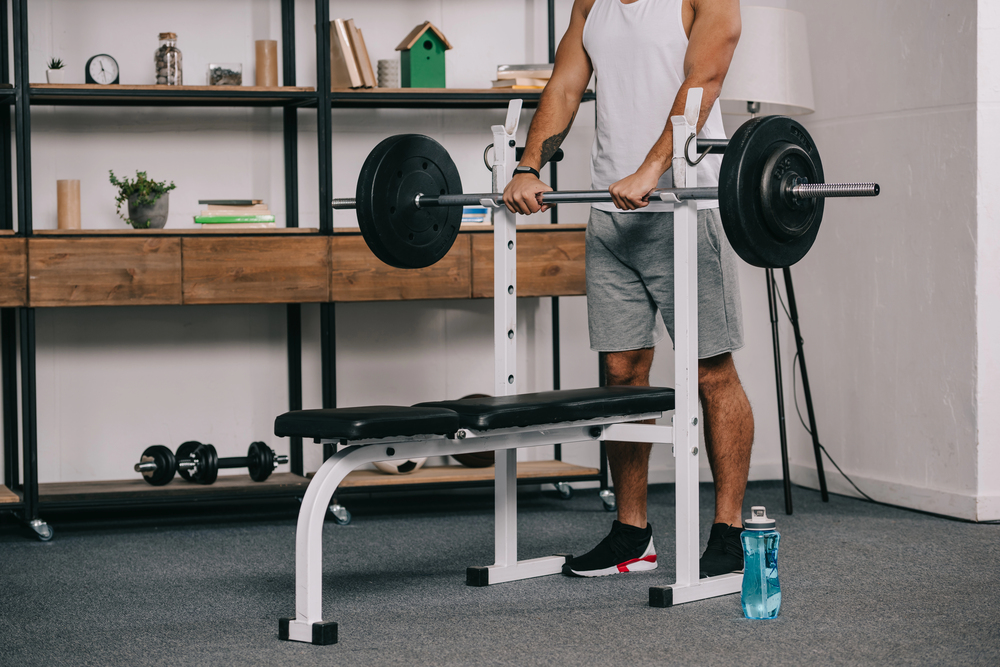
Why Rubber Flooring Is Essential for Home Gyms
When it comes to performance, durability, and safety, rubber flooring consistently outperforms other flooring types in home gym environments.
1. Shock Absorption & Joint Protection
Home workouts often include high-impact movements: think HIIT sessions, jumping exercises and weightlifting. Rubber flooring absorbs impact far better than laminate, tile, or concrete. This not only protects your subfloor but also reduces strain on your knees, ankles and hips. It’s the better choice to protect your floors and foundations… and your joints!
If your gym is in an upstairs room, shock absorption becomes even more important, helping to minimise vibration transfer and noise through the house.
2. Floor & Equipment Protection
Dropped dumbbells, kettlebells set down heavily, barbell plates loaded and unloaded… Over time, these actions can crack tiles, dent hardwood and damage concrete.
Rubber gym flooring acts as a protective barrier, safeguarding both your home and your equipment investment. In garages especially, it prevents direct contact with cold, hard concrete that can cause wear and corrosion.
3. Slip Resistance & Safety
Sweat is part of the process of training, but it shouldn’t create hazards. Rubber flooring provides natural slip resistance, even during hard sessions. This makes it ideal for functional training areas, yoga zones and strength training setups.
4. Noise Reduction
One of the most common concerns for home gym owners is noise. Whether it’s early morning workouts or evening training, rubber significantly reduces impact noise and vibration compared to hard flooring surfaces. Your family – and your neighbours – will thank you!
Choosing the Right Rubber Flooring for Your Home Gym
Not all gym flooring is created equal. As specialists at Funky Flooring, we always advise homeowners to consider how they plan to train.
Thickness Matters
- 6–8mm: Ideal for cardio machines, light weights and general exercise.
- 10–15mm: Perfect for free weights and functional training.
- 20mm+: Recommended for heavy lifting zones with squat racks and Olympic bars.
The heavier the weight and the higher the impact, the thicker your rubber flooring should be.
Rubber Tiles vs Rubber Rolls
- Rubber tiles are perfect for garage gyms and DIY installations. They’re easy to fit, replace individually if needed, and ideal for zoning your space.
- Rubber rolls create a seamless, professional finish, often preferred in dedicated indoor rooms.
Gym Flooring & Aesthetic Appeal
Home gyms should still feel like part of your home. Modern rubber flooring comes in a range of finishes, from sleek solid black to subtle colour flecks, allowing you to create a space that feels motivating.
At Funky Flooring, we help homeowners strike the balance between practicality and style.
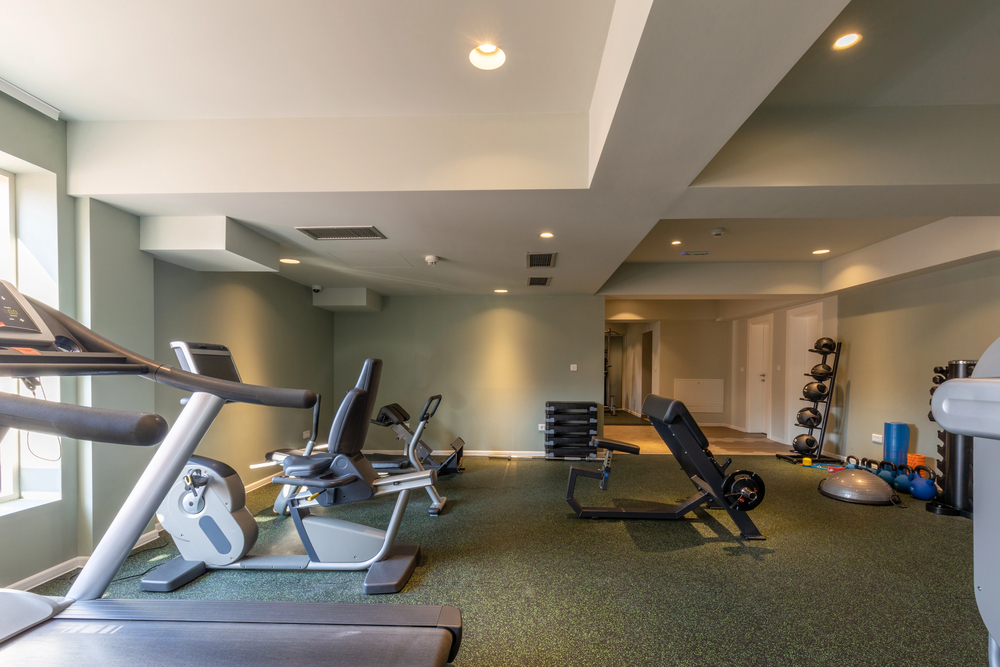
Gym Flooring for Commercial Gyms: A Smart B2B Investment
While this guide focuses on homeowners, many of our clients are commercial gym owners, PT studios, hotels with small gyms and fitness facilities – and the principles of fym flooring remain the same.
For commercial environments, rubber flooring isn’t just about comfort, it’s about longevity and liability. High footfall, constant equipment movement, and heavy lifting demand industrial-grade durability. The right installation reduces maintenance costs, protects subfloors, and enhances member safety.
From boutique fitness studios to large training facilities, professional rubber flooring installations help create defined training zones, improve acoustics, and reinforce a premium brand image.
For B2B clients, we also we also recommend considering compliance, fire ratings, slip resistance standards, and long-term performance under intense daily use: factors homeowners may not need to think about but are critical in commercial spaces.
Installation: Why Professional Advice Matters for Rubber Flooring
Many homeowners consider gym flooring a simple add-on, but proper installation ensures:
- Correct subfloor preparation
- Moisture control (especially in garages)
- Tight joins and secure fitting
- Long-term durability
Even for DIY-friendly tile systems, expert guidance can prevent costly mistakes. At Funky Flooring, we provide tailored advice based on your room size, training style, and long-term plans.
Investing in the Right Foundation
Your home gym should inspire consistency. The right flooring supports every squat, sprint, and stretch quietly doing its job in the background while protecting your home and enhancing your performance.
Choosing rubber flooring means choosing durability, safety, and long-term value. It transforms a spare room or garage into a serious training environment — one that feels purposeful, professional, and built to last.
At Funky Flooring, we believe gym flooring done right starts with understanding how you train and building from there. Whether you’re creating a compact home workout zone or planning a full commercial facility, the right foundation changes everything.
If you’re ready to upgrade your space, start from the ground up: and get your gym flooring done right.
Unsure if you should install your flooring yourself? Read our blog on DIY vs professional installation.