Creaking floors can be charming in a period property… or incredibly annoying when they wake the whole house. At Funky Flooring, we get asked about creaking floorboards all the time. The good news? Creaky floors noise ais common, understandable and usually fixable. Here’s what’s really going on beneath your feet!
Why do floors creak in the first place?
Floors creak because components beneath the surface move or rub against each other when weight is applied.
That movement might be timber rubbing on timber, boards shifting against nails, or subfloors flexing slightly as you walk. Over time, even a well-built floor can start to complain as materials age, dry out, or settle.
In most homes, creaking floors aren’t a sign of structural failure; they’re simply a sign your floor is doing what natural materials do best whilst responding to pressure, temperature, and time.
What causes creaking floorboards in older homes?
Creaking floorboards in older homes are usually caused by natural timber shrinkage and loosened fixings.
As timber ages, it dries and contracts. That tiny reduction in size can leave gaps between boards or between boards and joists. Older nails may also loosen slightly, allowing movement with every step.
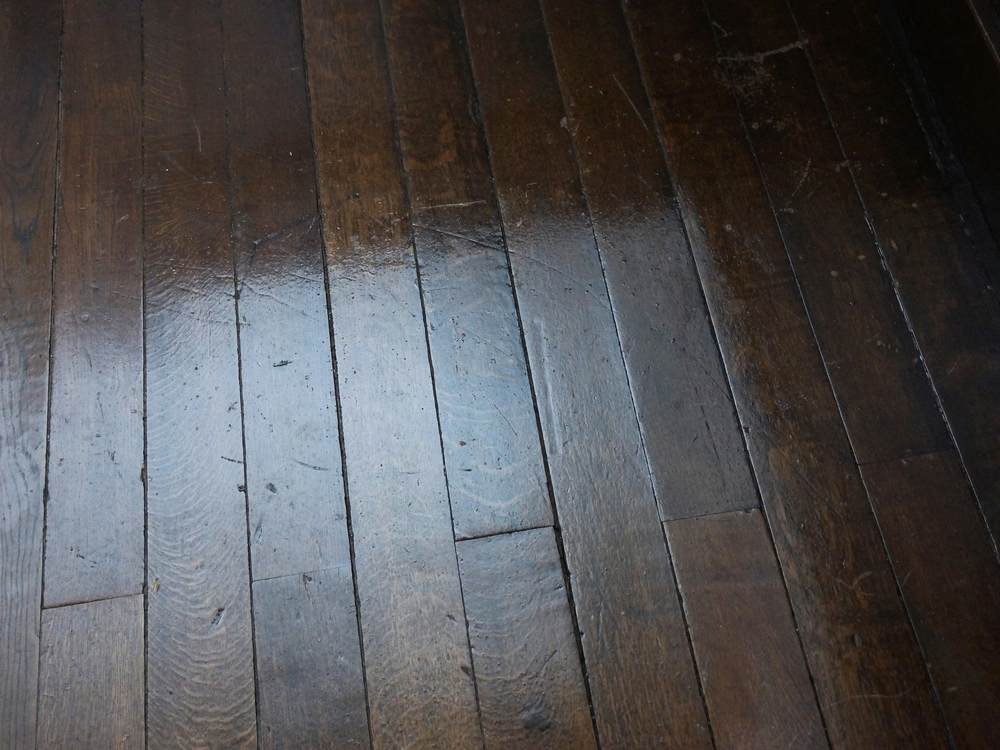
Suspended timber floors (common in Victorian and Edwardian homes) are particularly prone to noise, especially if previous creaking floor repair work didn’t address the root cause.
Can new floors suffer from creaking floors too?
Yes, creaking floors can occur in newer homes due to settling, installation tolerances, or subfloor movement.
Even modern builds shift slightly in their first few years. If joists settle or floor panels weren’t fixed evenly, small movements can lead to squeaks. Changes in humidity can also affect engineered or timber flooring, causing friction points that didn’t exist at installation.
This is why professional assessment matters before attempting a DIY floor squeak repair.
How can you tell what type of creaking floor repair is needed?
The type of sound, location, and timing usually indicate what kind of creaking floor repair is required.
A sharp squeak often means boards are rubbing against fixings, while a dull or groaning creak may point to joist movement beneath the floor. Noises close to walls can indicate expansion pressure, whereas widespread noise across a room is often caused by subfloor flex rather than individual creaky floorboards.
How to repair creaky floors
Once the source is identified, the repair approach becomes much clearer. Localised squeaks are usually resolved by securing loose boards or stabilising fixings to prevent friction.
Where joists are the issue, reinforcing or packing them can reduce movement and eliminate noise.
In cases where multiple boards move together, improving subfloor rigidity is often the most effective way to stop squeaky floors long term.
Some creaking floor repair methods also focus on reducing friction rather than movement. This might include easing pressure points between boards or addressing areas where timber naturally expands and contracts. If noise is travelling between rooms or floors, combining structural repairs with soundproofing creaking floorboards can dramatically improve overall comfort.
At Funky Flooring, we always recommend diagnosing the cause before trying to fix creaky floors. Without that understanding, even well-intended repairs risk masking the noise rather than solving it – and creaks have a habit of coming back louder if the underlying issue is ignored.
How do professionals stop squeaky floors effectively?
Professionals stop squeaky floors by securing movement points rather than masking the noise.
This might involve tightening fixings, stabilising subfloors, reinforcing joists, or addressing uneven spans. The aim is to remove the cause of movement entirely, not just quieten it temporarily.
“A squeaky floor is basically your home asking for a little attention,” says a Funky Flooring expert. “Once you understand where the movement is coming from, stopping it is usually very straightforward.”
Can soundproofing creaking floorboards help?
Soundproofing creaking floorboards helps reduce noise transmission but doesn’t always eliminate the creak itself.
Soundproofing focuses on minimising how noise travels through a building rather than stopping movement. Techniques like underlay upgrades or acoustic layers can soften footfall and reduce annoyance, especially in flats or upstairs rooms.
However, true soundproofing creaking floorboards works best when combined with targeted repairs that reduce friction and movement at the source.
Is it worth fixing creaky floors or should you live with them?
Fixing creaky floors is worth it if the noise affects comfort, sleep, or property value.
While some homeowners accept the character, persistent creaks can worsen over time. Addressing them early often means simpler, less invasive solutions — and a much quieter home.
Common causes of creaking floors and solutions
| Cause of creaking floors | What’s happening | Typical solution |
| Loose floorboards | Boards move against fixings | Secure or stabilise boards |
| Joist movement | Subfloor flexes under load | Reinforce or level joists |
| Timber shrinkage | Gaps form due to drying | Re-fix or pack affected areas |
| Nail friction | Nails rub against wood | Replace or stabilise fixings |
| Poor sound insulation | Noise travels easily | Improve acoustic layers |
Creaky floors – fixable!
Creaking floors are incredibly common, and in most cases, completely fixable. Whether you’re dealing with minor squeaks or widespread creaking floorboards, understanding the cause is the first step toward a quieter, more comfortable home. With the right approach, fixing creaky floors doesn’t have to be disruptive: just effective.
Top flooring resources:
- Want to see what other people are saying about their squeaky floors? Check out Screwfix’s forum on the subject.
- Thinking about getting reclaimed wood flooring? Read our reclaimed wood guide to make an informed decision!