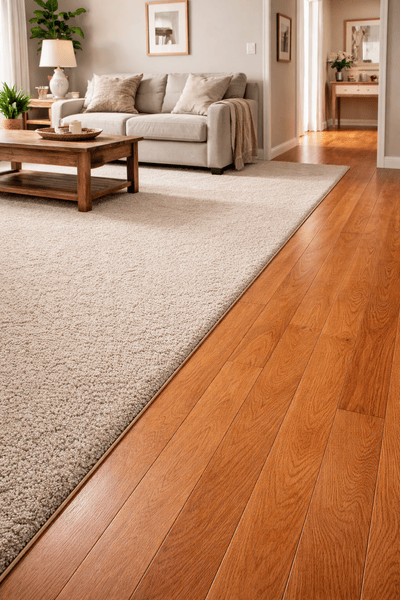
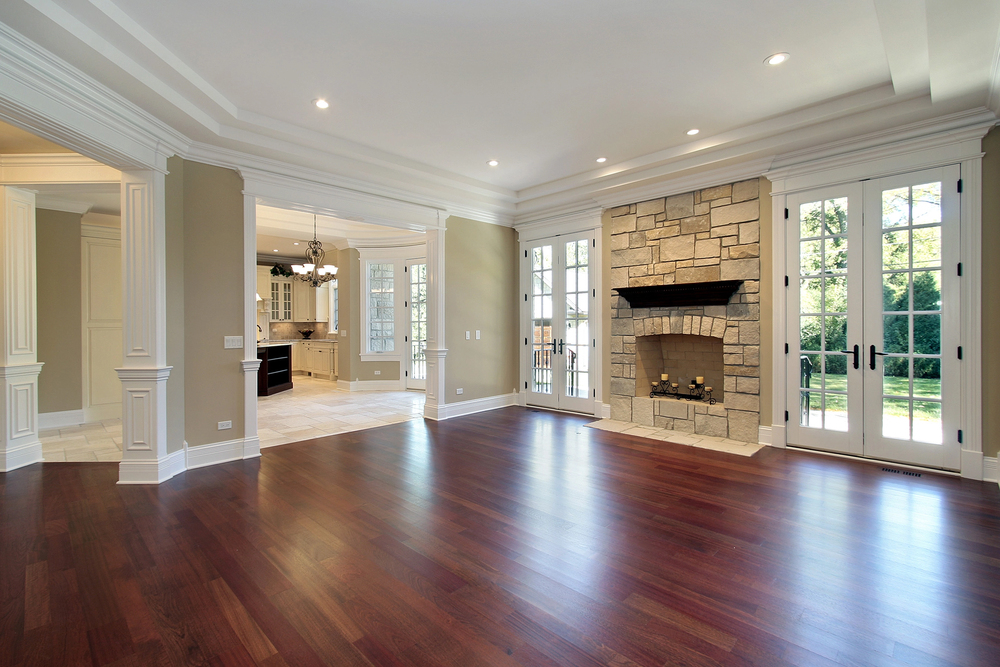
Blending carpet and hardwood flooring within a home is a popular design choice, and for good reason. Carpet offers warmth and comfort, while hardwood delivers durability and timeless appeal. But what about when carpet and hardwood floor meet?
A well-executed carpet to hardwood transition does more than simply connect two surfaces. It ensures safety, protects flooring edges, accommodates height differences, and creates a sense of visual continuity throughout the home. Done poorly, it can feel like an afterthought: awkward, disruptive and prone to wear – as well as trips, slips or falls!
In this guide from Funky Flooring, we explore the best carpet to hardwood transition options, when to use them, and how to achieve a finish that feels intentional, polished, and safe.
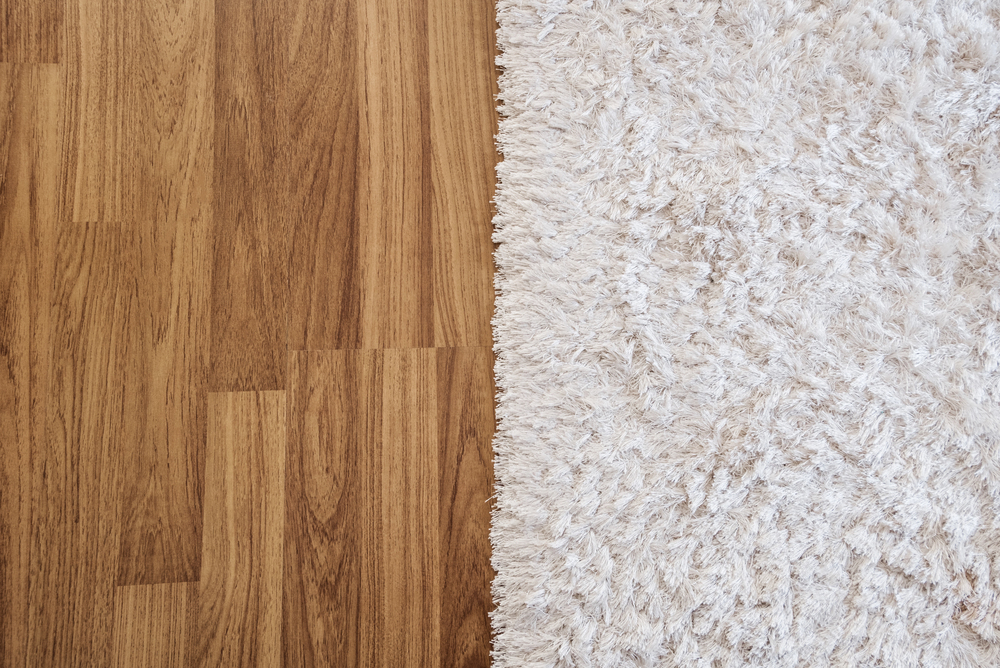
Why Carpet to Hardwood Transitions Are So Important
Carpet and hardwood behave very differently underfoot. Carpet is soft, compressible, and flexible, while hardwood is rigid and dimensionally stable. Without a proper transition between the two, several issues can arise over time:
- Visible gaps or uneven edges
- Fraying or lifting carpet
- Trip hazards caused by height differences
- Premature wear along flooring edges
A thoughtfully chosen carpet to hardwood transition solves these problems while enhancing the overall look of the space. Rather than interrupting the design, it becomes a subtle – or sometimes striking – architectural detail.
Carpet to Hardwood Transition Strips: Practical and Versatile
Transition strips are the most widely used solution for carpet to hardwood transitions. Designed to bridge the join safely, they come in a range of profiles to suit different height levels and design preferences.
Popular options include:
- T-molding: Ideal when carpet and hardwood are close in height
- Reducer strips: Used when hardwood sits higher than carpet
- Wood, metal, or composite finishes: Allow for coordination or contrast
Transition strips are particularly effective in doorways and high-traffic areas, where durability is essential. When colour-matched to the hardwood, they blend seamlessly; when contrasted, they can act as a subtle design feature.
Bar Transitions: Clean and Minimal
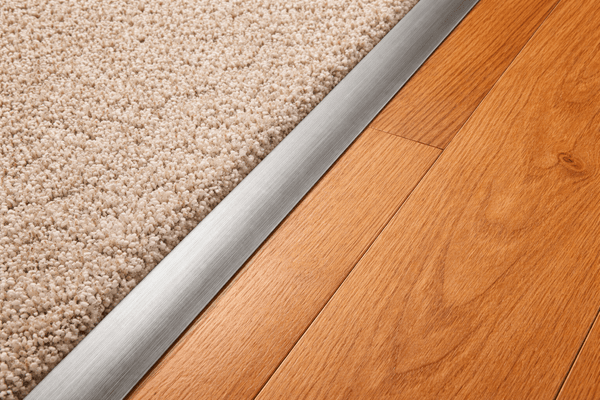
A Z-bar transition is a more discreet solution often favoured in modern interiors. Installed beneath the carpet edge, the Z-bar pulls the carpet taut and secures it tightly against the hardwood, creating a crisp, uncluttered finish.
Why choose a Z-bar?
- No visible bulky trim
- Clean, professional edge
- Ideal for minimalist or contemporary spaces
Because Z-bars require precise installation and carpet stretching, they are best handled by experienced flooring professionals.
Flush Carpet to Hardwood Transitions: Seamless and High-End
For homeowners seeking a truly cohesive look, a flush carpet to hardwood transition offers the most seamless result. In this approach, both flooring types are installed to the same height, allowing them to meet cleanly without raised trims or thresholds.
This method is commonly used in:
- Open-plan living areas
- Luxury homes and apartments
- Contemporary interior designs
While visually striking, flush transitions require careful subfloor preparation and accurate material planning. They are more complex and costly, but the result is a refined, uninterrupted flow from one space to another.
Thresholds and Doorway Transitions
In doorways, a threshold transition often makes the most sense – both visually and practically. Doorways provide a natural stopping point between flooring types, making the transition feel intentional rather than forced.
Benefits include:
- Clear separation between rooms
- Increased durability in high-traffic zones
- A structured, finished appearance
Wood thresholds remain a popular choice, particularly in traditional homes, while slim metal thresholds suit modern interiors.
Hardwood to Carpet transitions
A well-designed carpet to hardwood transition is the detail that brings a flooring scheme together. Whether you opt for a subtle blend or a defined threshold, the right solution enhances both the look and performance of your floors.
By considering layout, height differences, traffic levels, and design intent, you can create a transition that feels seamless, durable, and visually refined — ensuring your flooring works beautifully as a whole, not just in individual rooms.
Considering carpet or hardwood for your stairs? Take a look at our Best Carpet for Stairs article.