
Choosing the right flooring is a significant investment for any space. Knowing how can you tell a good quality carpet is more than just surface aesthetics; you’ve got to understand the fundamental components that determine durability, resilience and longevity. This guide, brought to you by the experts at Funky Flooring, provides a handy framework for evaluating premium carpeting options.
So how can you tell if it’s a good quality carpet before buying? Let’s find out…
- How to Tell If It’s a Good Quality Carpet: The Checklist
- What to Do When You Can’t Afford to Replace a Carpet
How to Tell If It’s a Good Quality Carpet: The Checklist
To check if a carpet is good quality, start by checking the fibre composition: 100% wool or a “branded” nylon (like nylon 6.6) are the gold standards for resilience. Next, evaluate pile density by bending a sample; if you see the backing easily, the quality is lower. A high-quality carpet should have a lifespan of 12–15+ years, and you can confirm its sustainability by looking for natural fibres like wool or sisal, or recycled synthetics like ECONYL®. Ensure the backing is sturdy and finally, look for comprehensive warranties, which prove the manufacturer’s confidence in the product.
1. – The Critical Role of Fibre Composition
When trying to determine if a carpet is good quality, the first thing you should look at is the fibre composition. The material used to construct the carpet pile is the most important factor in determining its performance and lifespan. When assessing carpet quality, the fibre composition should definitely be the first point of call.
| Fibre Type | Key Performance Characteristics | Ideal Application |
| Wool | Superior resilience, natural stain resistance, excellent insulation, environmentally friendly. | Luxury homes, low-traffic areas, main living rooms. |
| Nylon | Exceptional durability, high resilience (spring-back), highly resistant to abrasion and crushing. | High-traffic zones, commercial settings, hallways. |
| Triexta | High stain resistance (inherent), good resilience, soft texture. | Family homes, areas prone to spills. |
| Polyester (PET) | Luxurious softness, vibrant colour retention, low cost. Susceptible to matting. | Bedrooms, low-traffic areas where softness is prioritized. |
2. Construction and Pile Density: The Core of Durability
The manufacturing process, or construction, dictates how durable a carpet is. Two key factors are essential when examining the quality of a carpet:
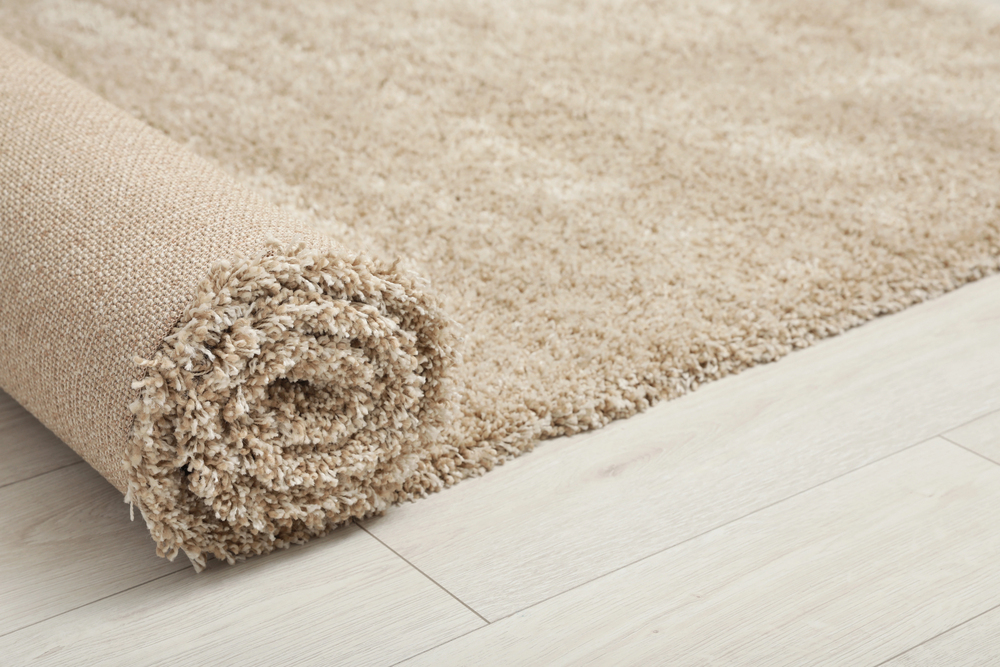
- Pile Density: Density refers to how tightly the fibres are packed together. This is the most reliable indicator of a carpet’s ability to resist crushing and matting.
- Pro Tip: Press your fingers firmly into the pile. If you can easily feel the backing beneath the fibres, the density is low. A high-quality carpet will feel firm and substantial, making it difficult to reach the backing.
- Yarn Twist: For cut pile carpets (like plush or frieze), the twist level is crucial. The higher the number of twists per inch, the more resistant the yarn is to fraying and unraveling, ensuring the carpet maintains its defined look over time.
3. What is the Average Life Span of a Carpet?
The average lifespan of a carpet can vary dramatically based on its quality, the fibre type, and the amount of foot traffic it receives.
- Low-Quality Synthetic (e.g., lower-grade Polyester/Polypropylene): 3–5 years
- Mid-Range Synthetic (e.g., Nylon/Triexta): 7–15 years
- High-Quality Natural (e.g., Wool): 15–25 years or more
Factors that contribute to the longer life of a premium carpet include high pile density, the use of resilient fibres like nylon or wool, and consistent professional cleaning. The quality of the underlay also plays a vital role, cushioning the fibres and absorbing impact stress.
4. Environmental Considerations: Carpet and Sustainability
In today’s market, assessing a good quality carpet increasingly involves evaluating its environmental impact. Sustainability in carpeting refers not only to the fibre used but also to the manufacturing processes and end-of-life management.
- Natural Fibres: Wool is the most inherently sustainable option, as it is a renewable resource, biodegradable, and requires less energy in production compared to synthetics.
- Recycled/Recyclable Synthetics: Many premium nylon and polyester products now incorporate recycled content. Reputable manufacturers are increasingly adopting “cradle-to-cradle” practices, where the carpet is designed to be fully recycled into new products at the end of its life, hugely reducing landfill waste.
- Low-VOC Emissions: Look for certifications that guarantee low Volatile Organic Compound (VOC) emissions, ensuring the product contributes to better indoor air quality post-installation.
5. Backing Quality: The Foundation of Stability
While often overlooked, the quality of the carpet backing is critical to the longevity and dimensional stability of the flooring. A weak or inferior backing can lead to premature buckling, wrinkling and delamination (where the pile separates from the backing).
- Primary vs. Secondary Backing: The fibres are tufted into the primary backing. The secondary backing, which you see on the reverse, is laminated to the primary backing to provide strength and stability. In high-quality carpets, this lamination should be robust and even, often incorporating latex or a specialised polymer.
- Dimensional Stability: A well-constructed backing ensures the carpet resists expansion and contraction due to temperature and humidity fluctuations. This is particularly important for wall-to-wall installations where movement can lead to noticeable ripples over time. When seeking how to check carpet quality, ensure the backing is strong, flexible, and fully integrated with the pile.
6. Manufacturer Warranties
A good manufacturer’s warranty is often indicative of the carpet quality. High-quality products typically come with warranties that cover far more than just manufacturing defects:
- Wear and Tear Warranties: Look for coverage specifically against “abrasive wear,” which guarantees the carpet will retain a certain percentage of its pile face weight over the warranty period (e.g., 10-20 years).
- Stain and Soil Warranties: Premium carpets, especially those treated with advanced protectors or made from Triexta/Nylon, will offer comprehensive guarantees against common household stains. The best warranties also cover soiling (general dirt accumulation).
- Matting and Crushing: This is a key differentiator to keep an eye out for. If a manufacturer is confident in their fibre and density, they will offer a separate warranty specifically covering matting and crushing, often for a period of 5 to 10 years.

What to Do When You Can’t Afford to Replace a Carpet
When full replacement of a long-lasting carpet is not feasible, there are several professional steps that can extend its functional life and improve its appearance:
- Deep Professional Cleaning: Hot water extraction (steam cleaning) can remove embedded dirt and oils that cause matting and dullness. This often restores a significant amount of the original pile height and vibrancy. Learn how to clean staining in our handy carpet stains guide.
- Pile Raking/Grooming: Using a specialised carpet rake, particularly in high-traffic areas, can help stand matted fibres upright. This is an effective, non-chemical way to refresh the look of crushed carpet.
- Repair Minor Damage: Promptly address tears, burns, or snags using invisible mending or by seamlessly patching the damaged area with spare carpet remnants.
- Re-Stretching: Over time, carpets can loosen and develop wrinkles or ripples. Professional re-stretching pulls the carpet taut and re-secures it, removing hazards and improving the overall aesthetic.
Understanding these key indicators will allow you to confidently discern the actual quality of a carpet, ensuring that your investment provides comfort, style, and longevity for your home!